Opis
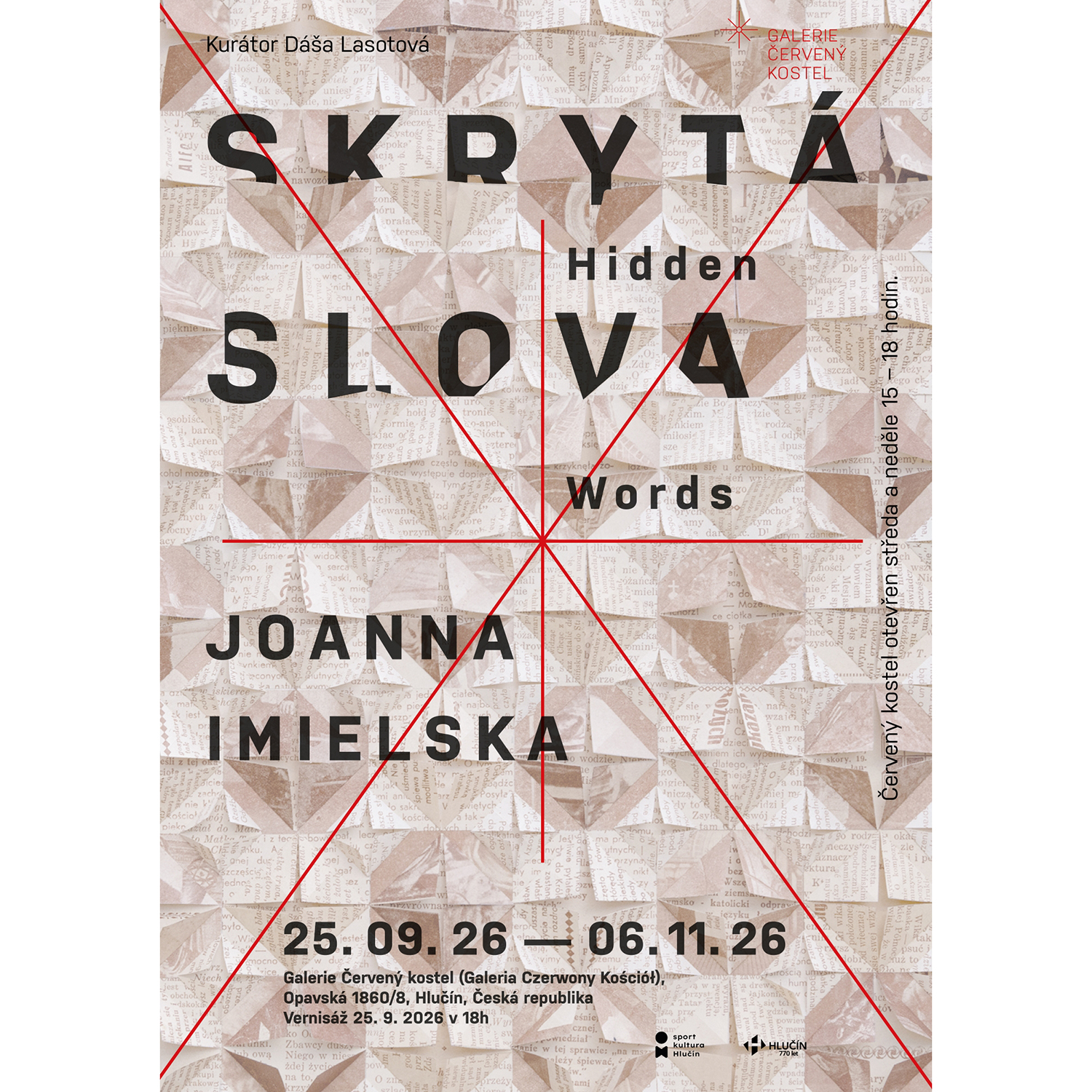
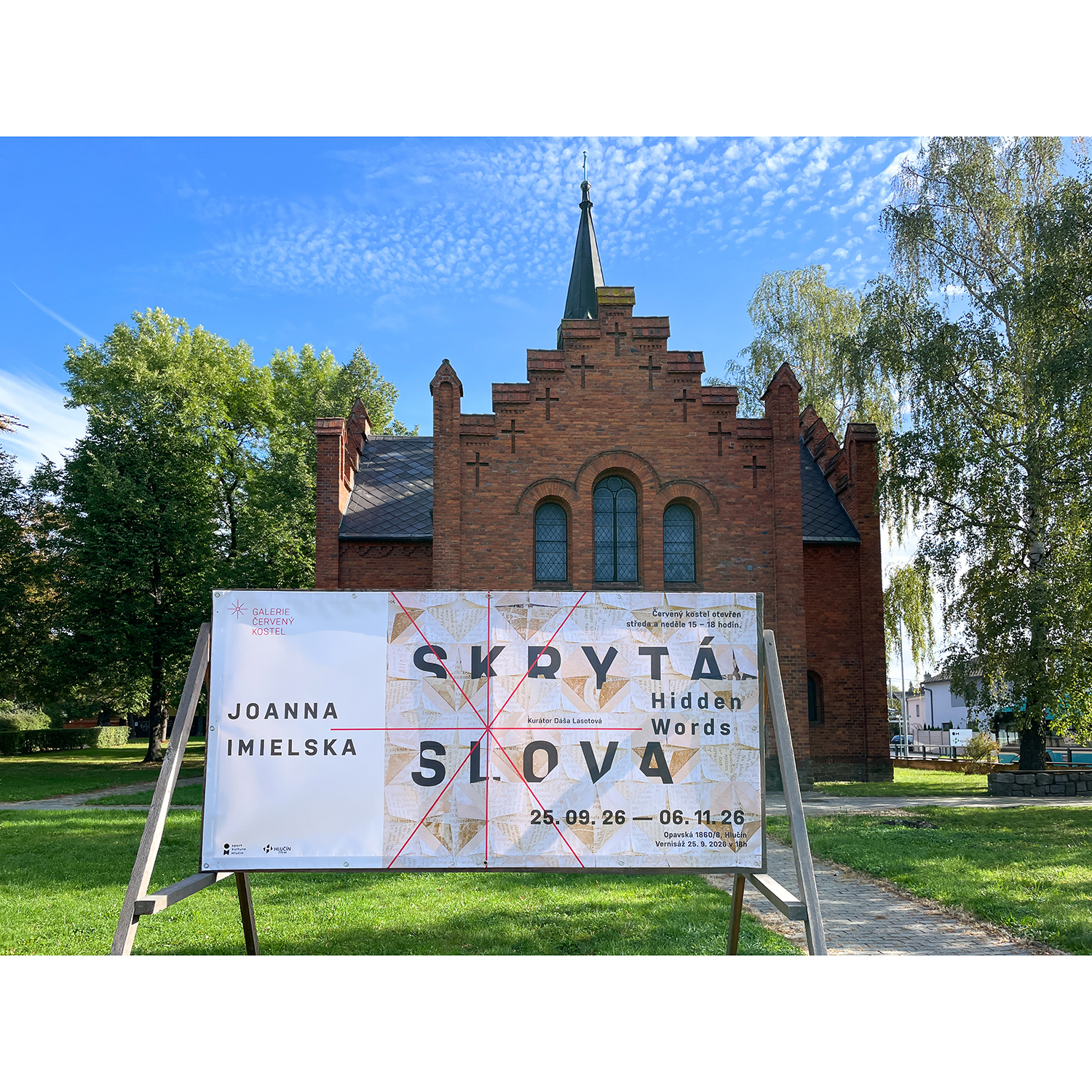
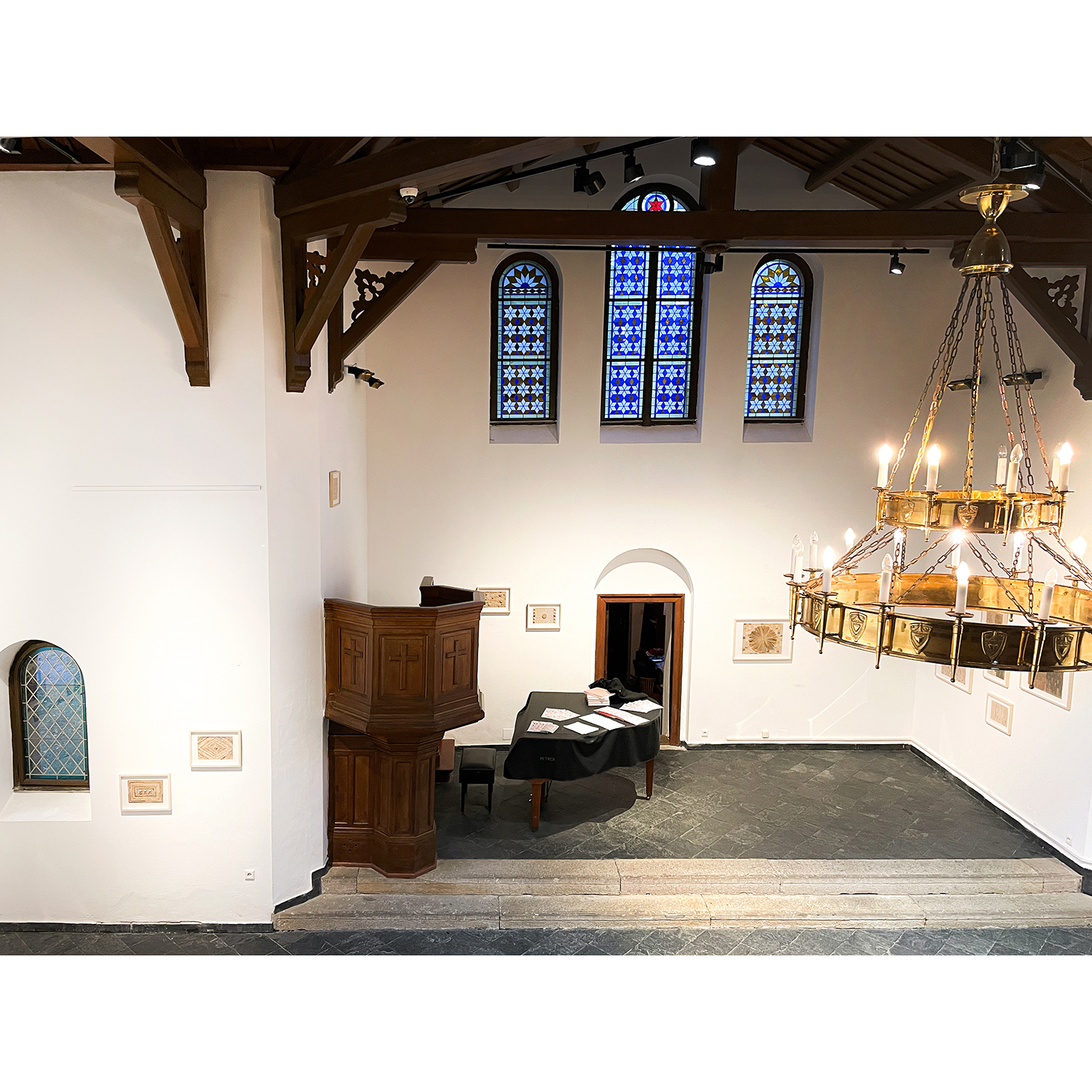
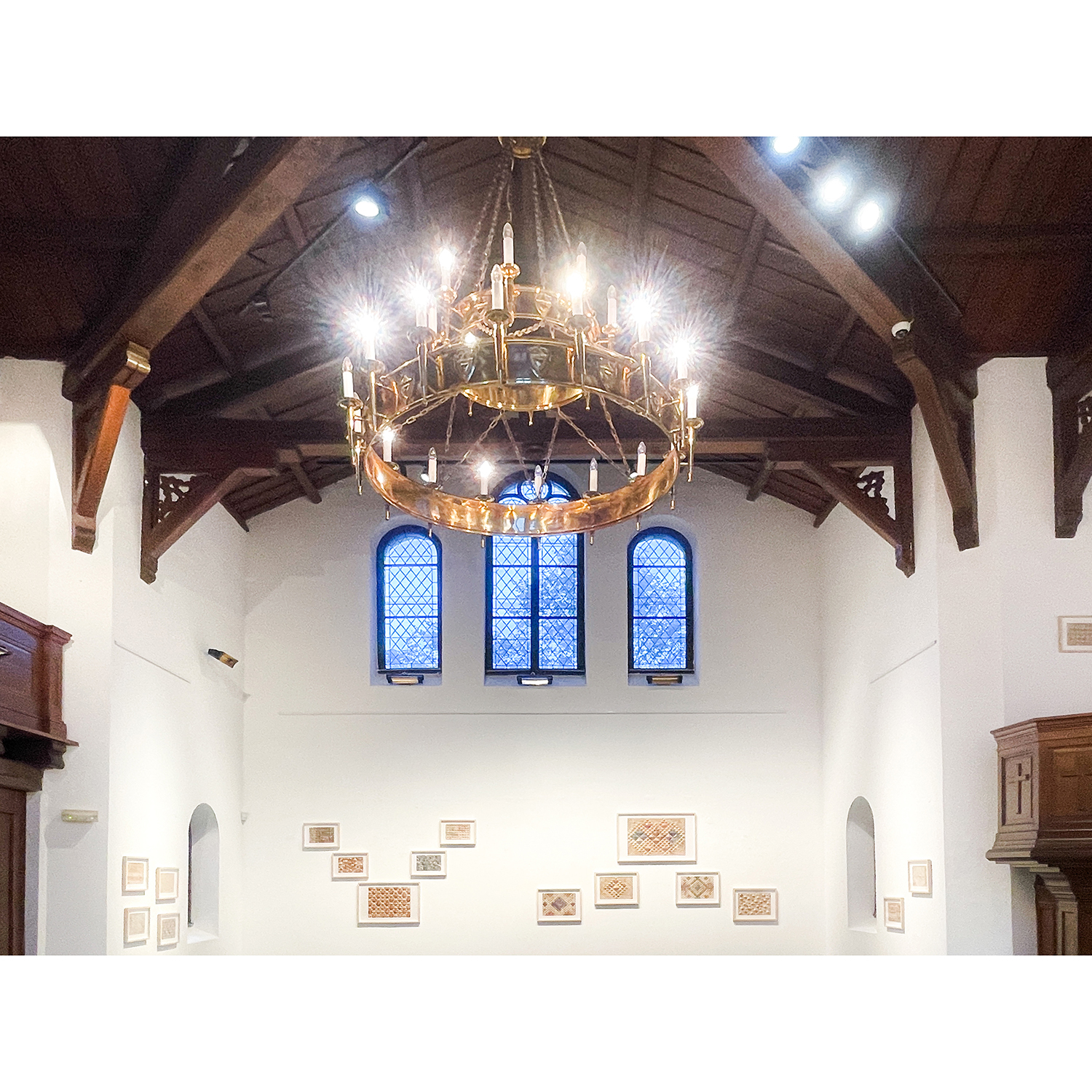
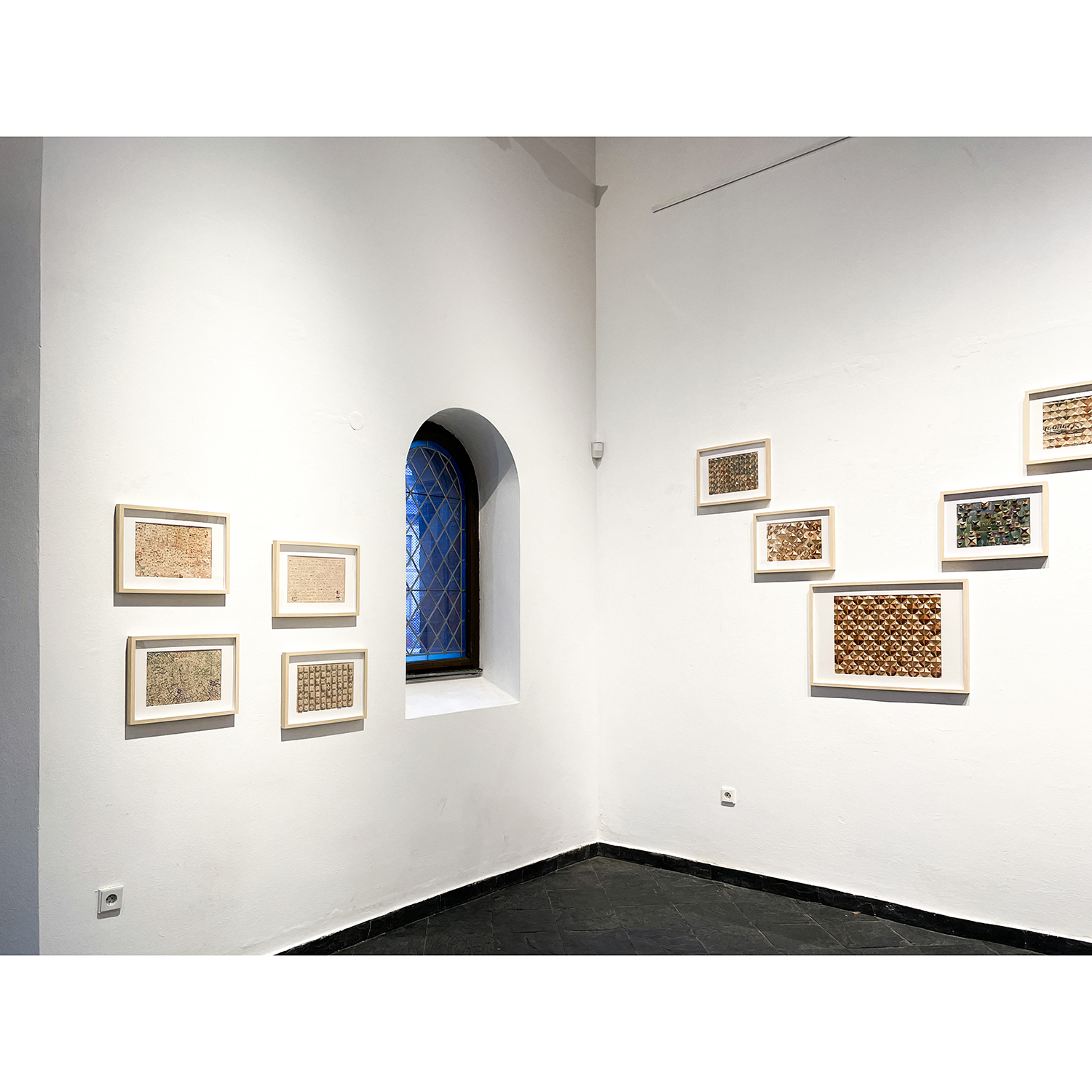
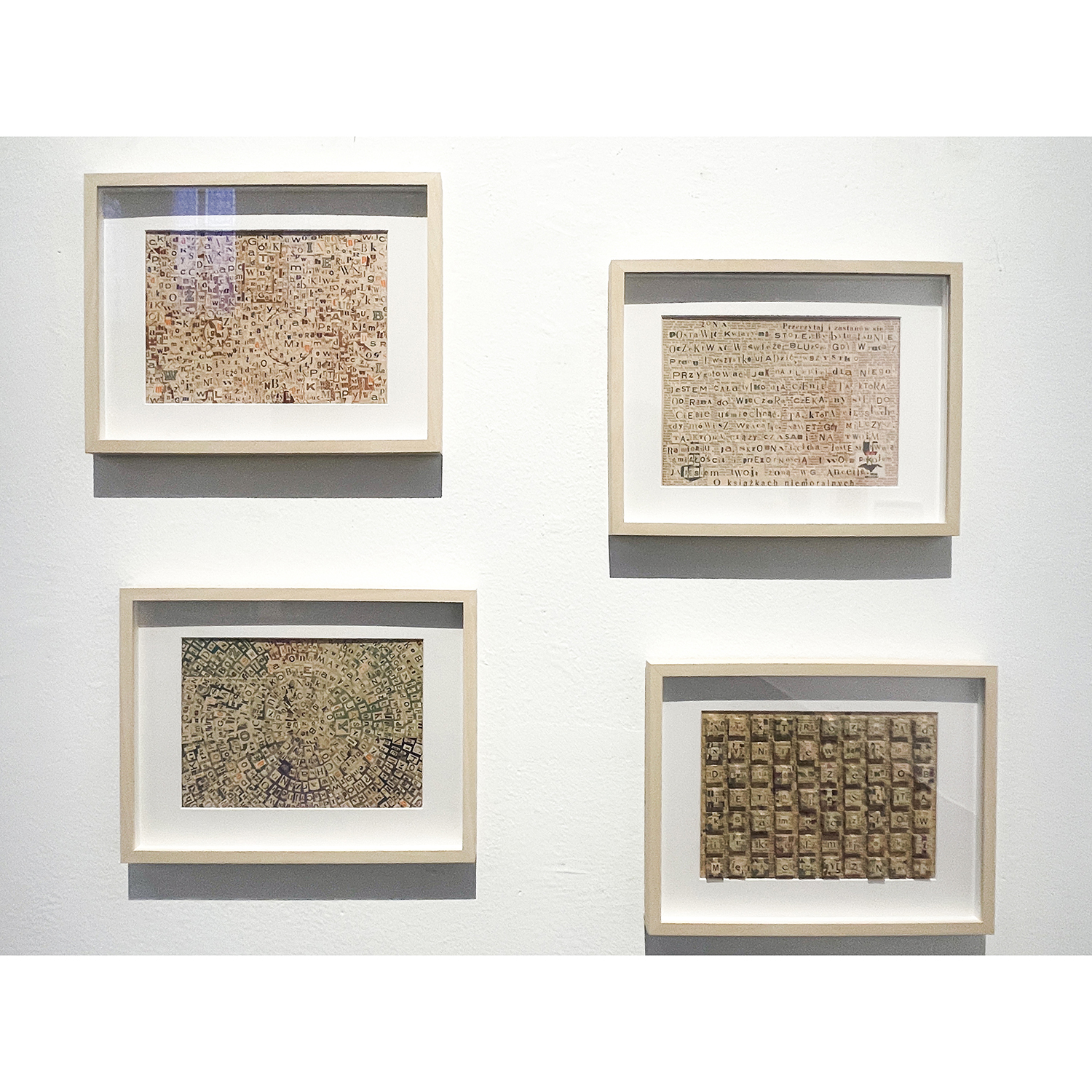
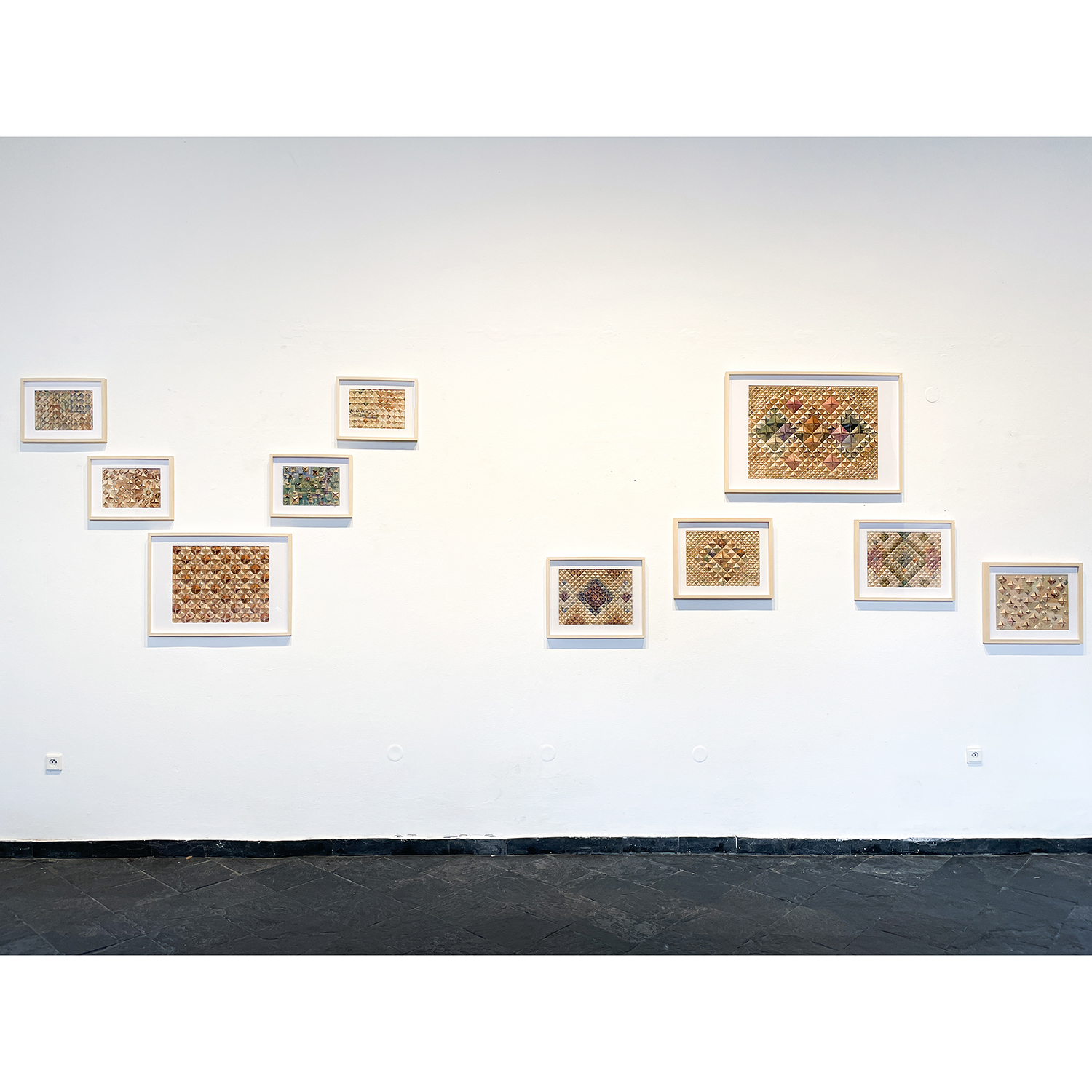
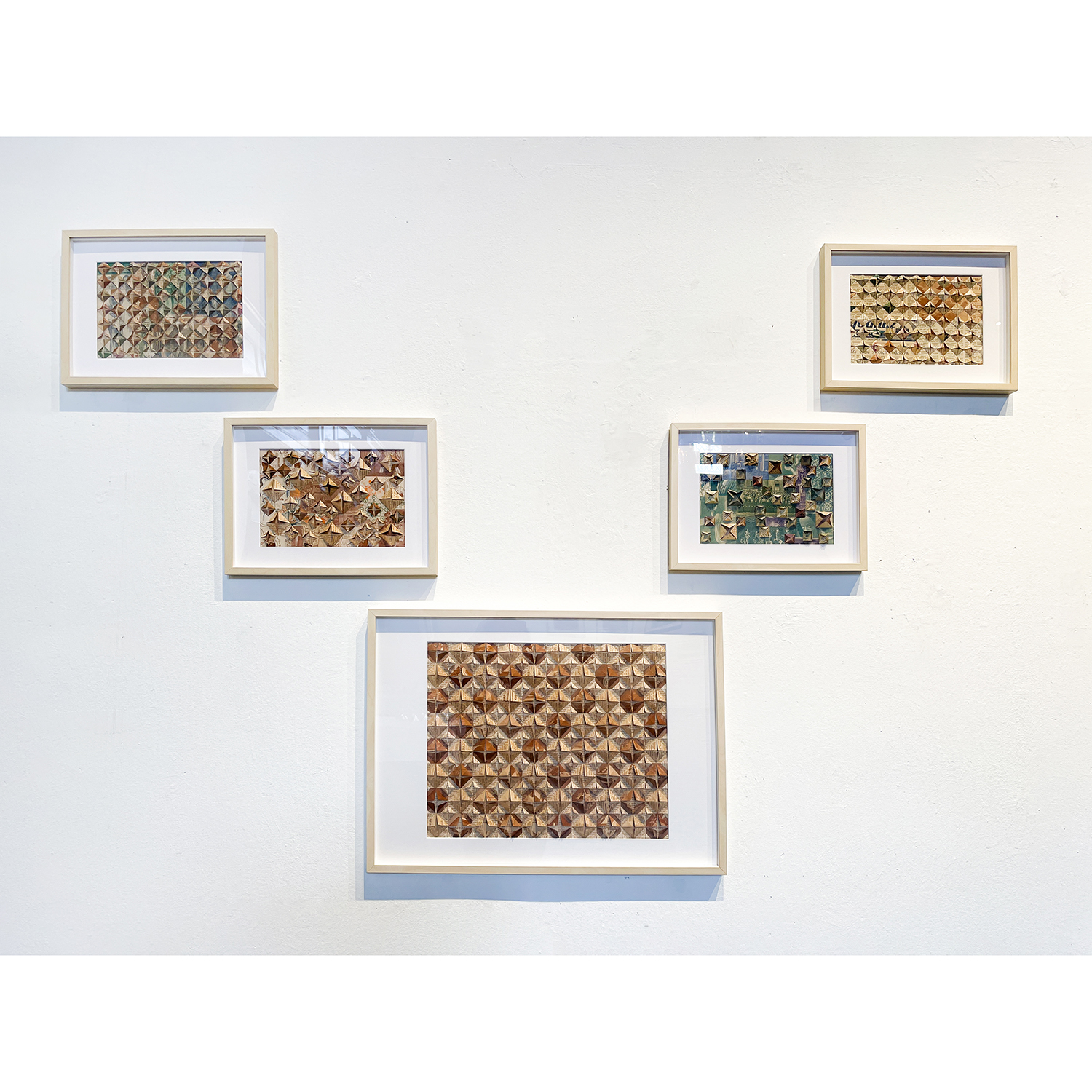
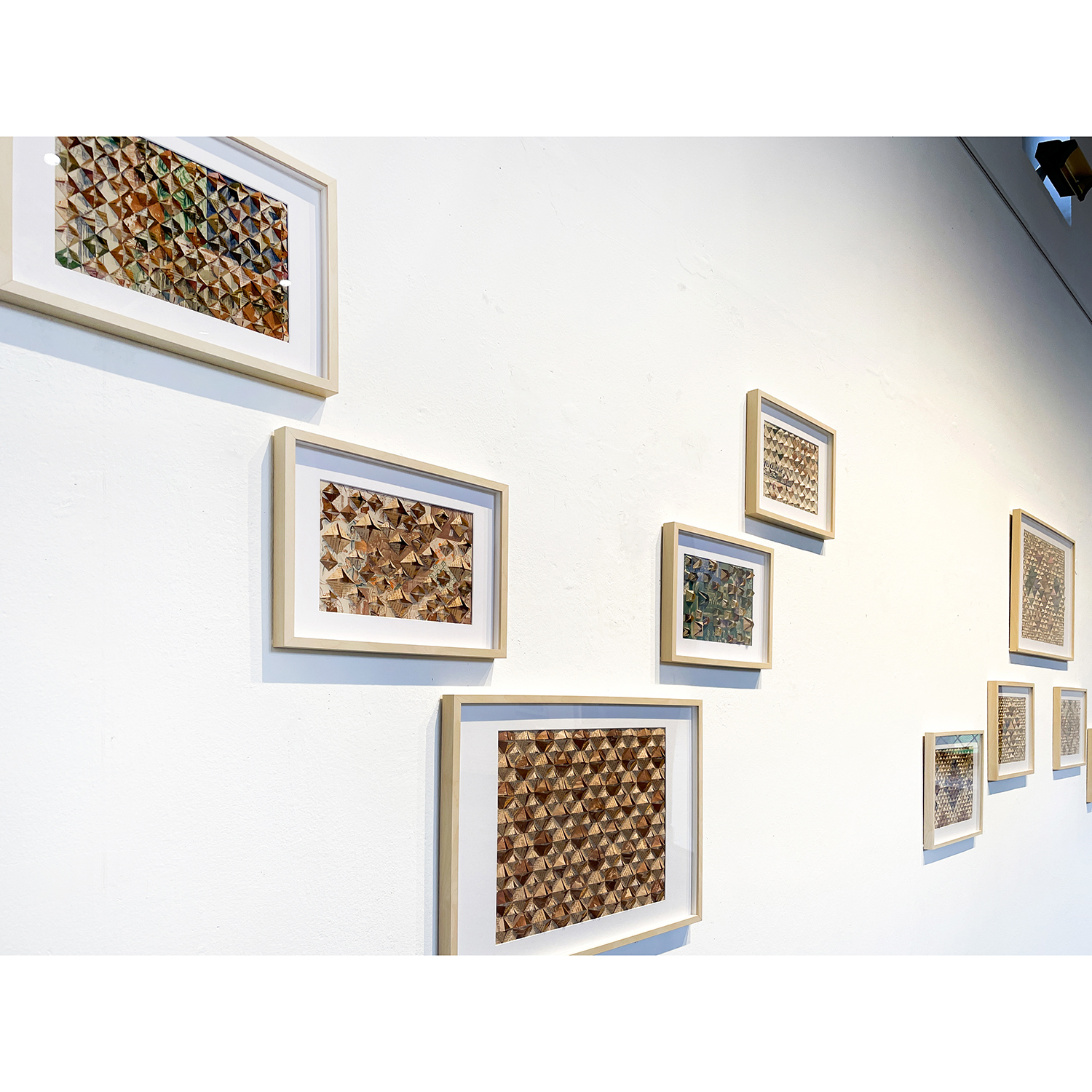
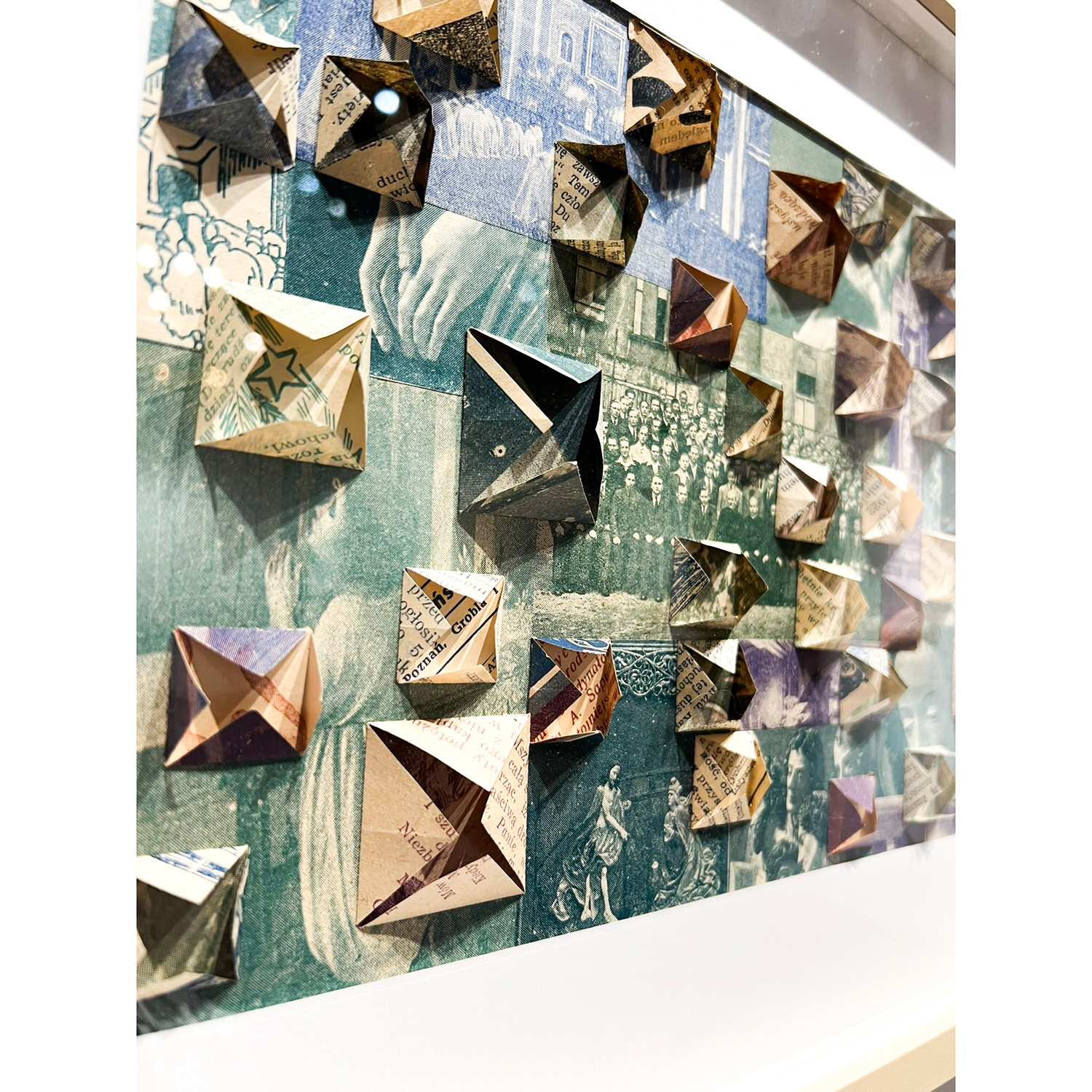
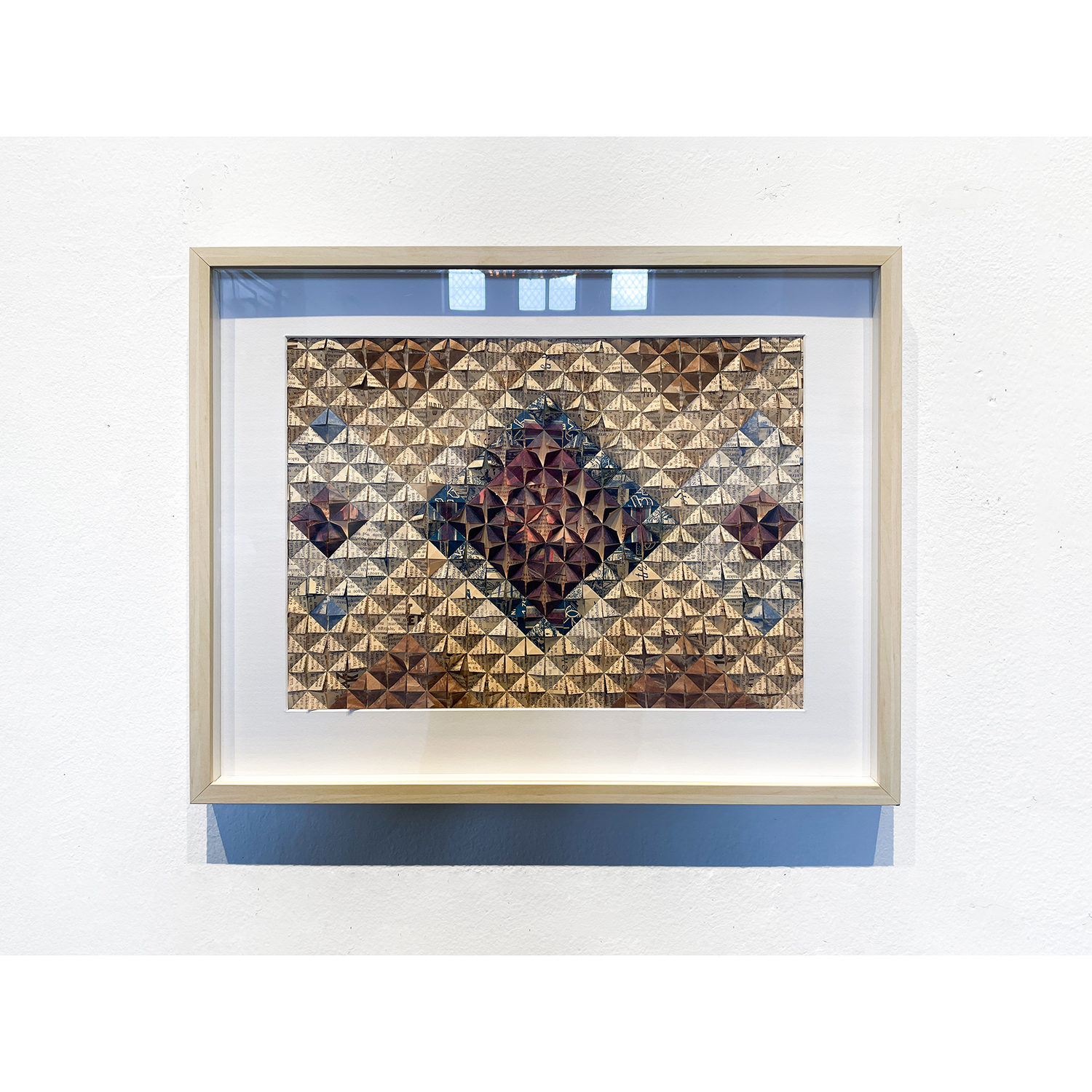
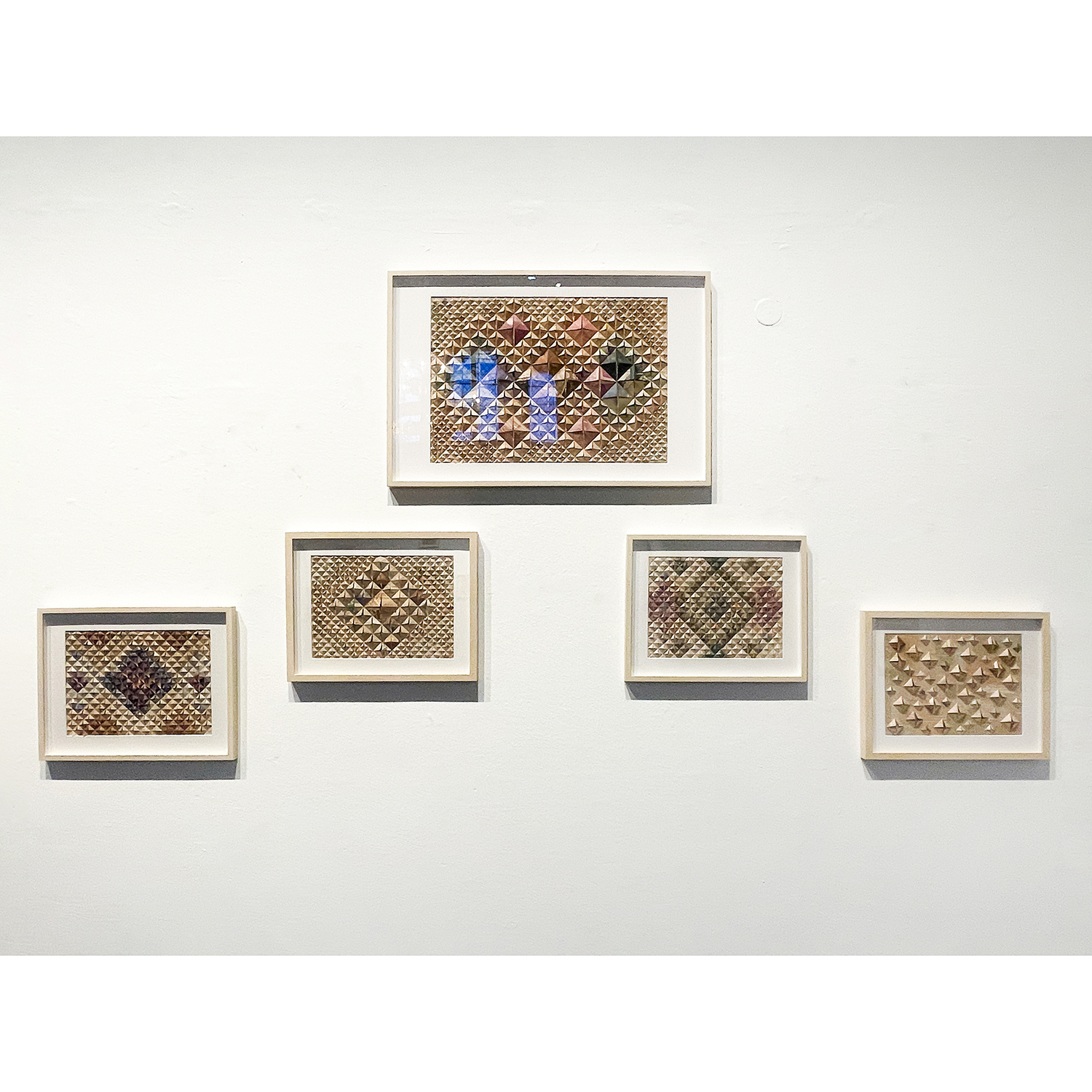
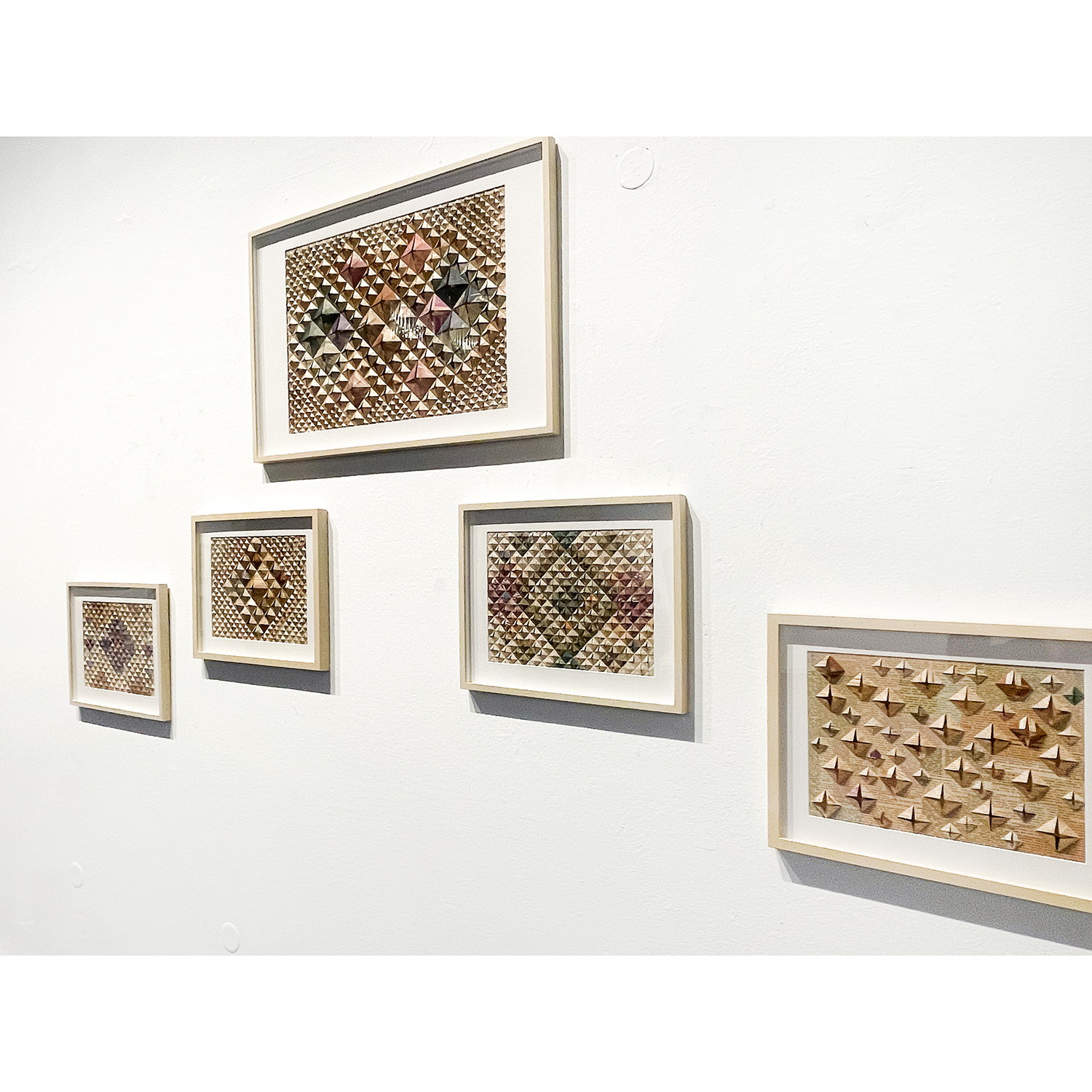
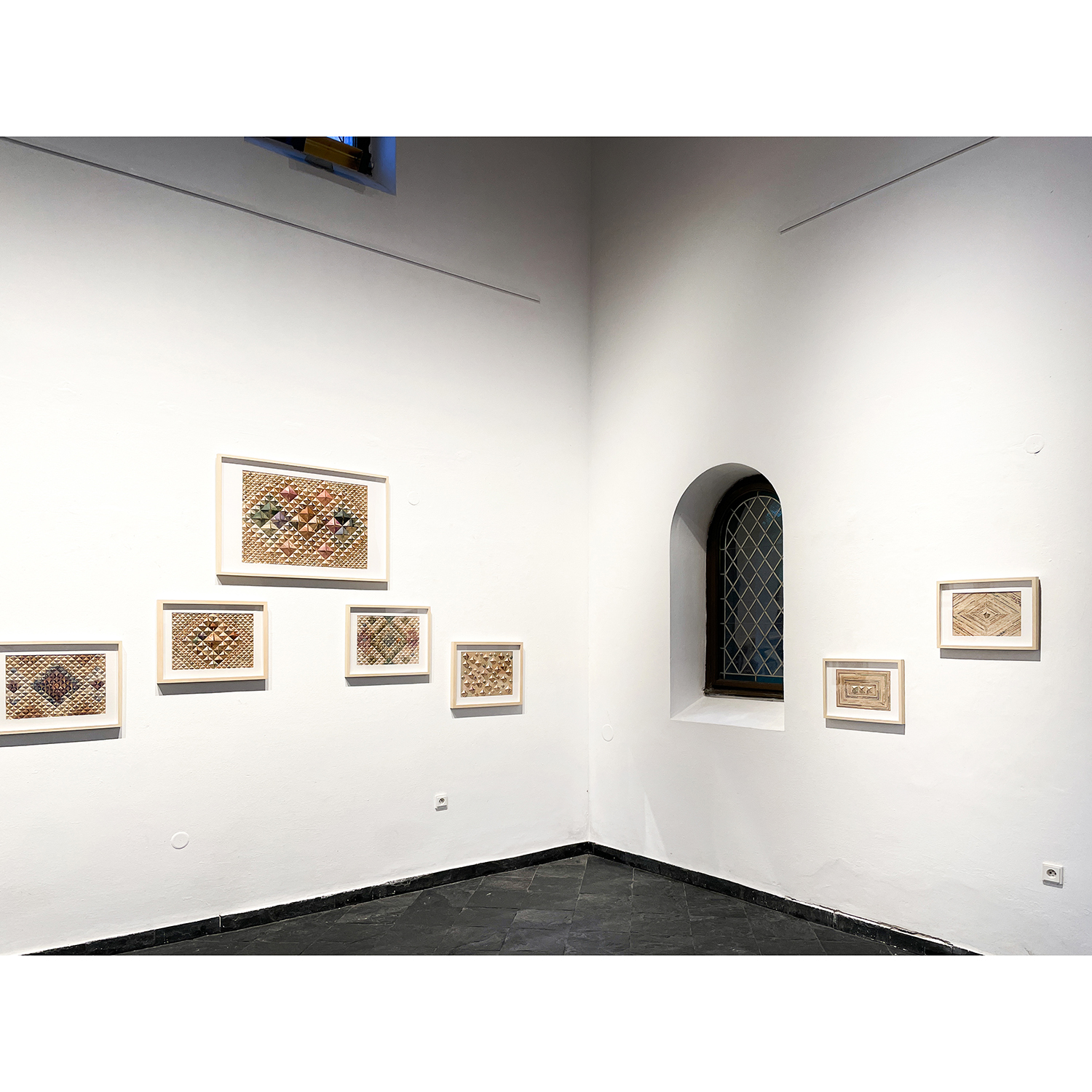
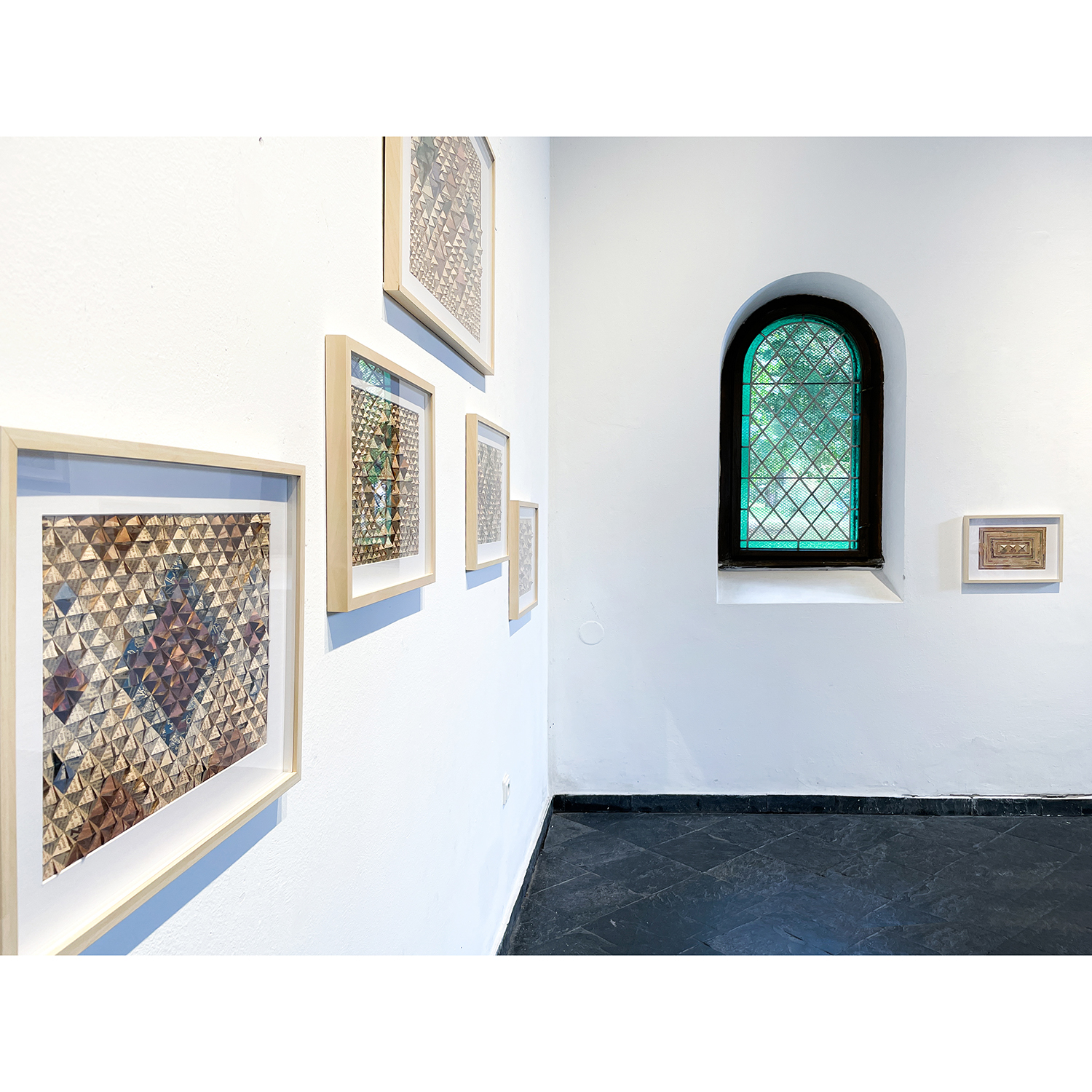
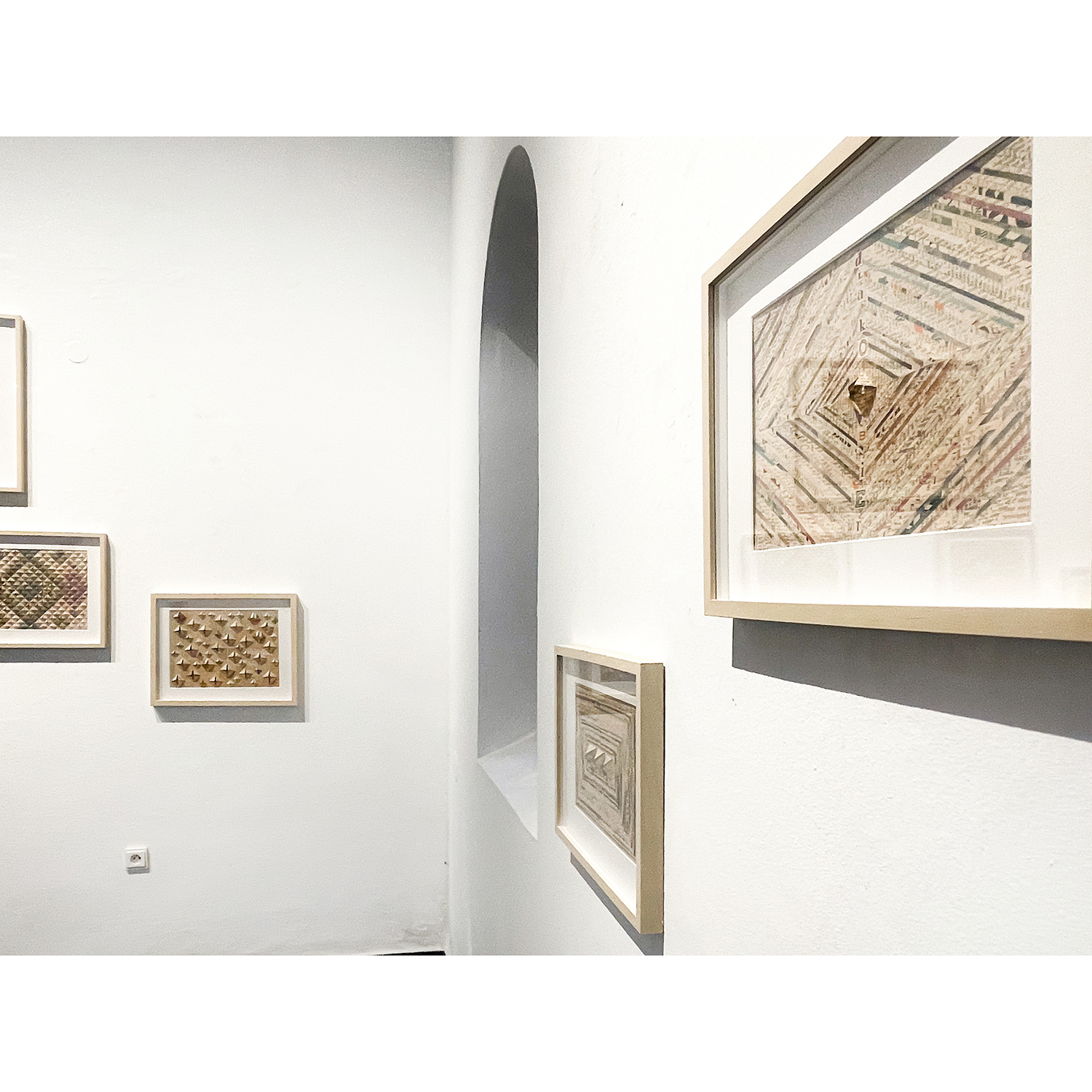
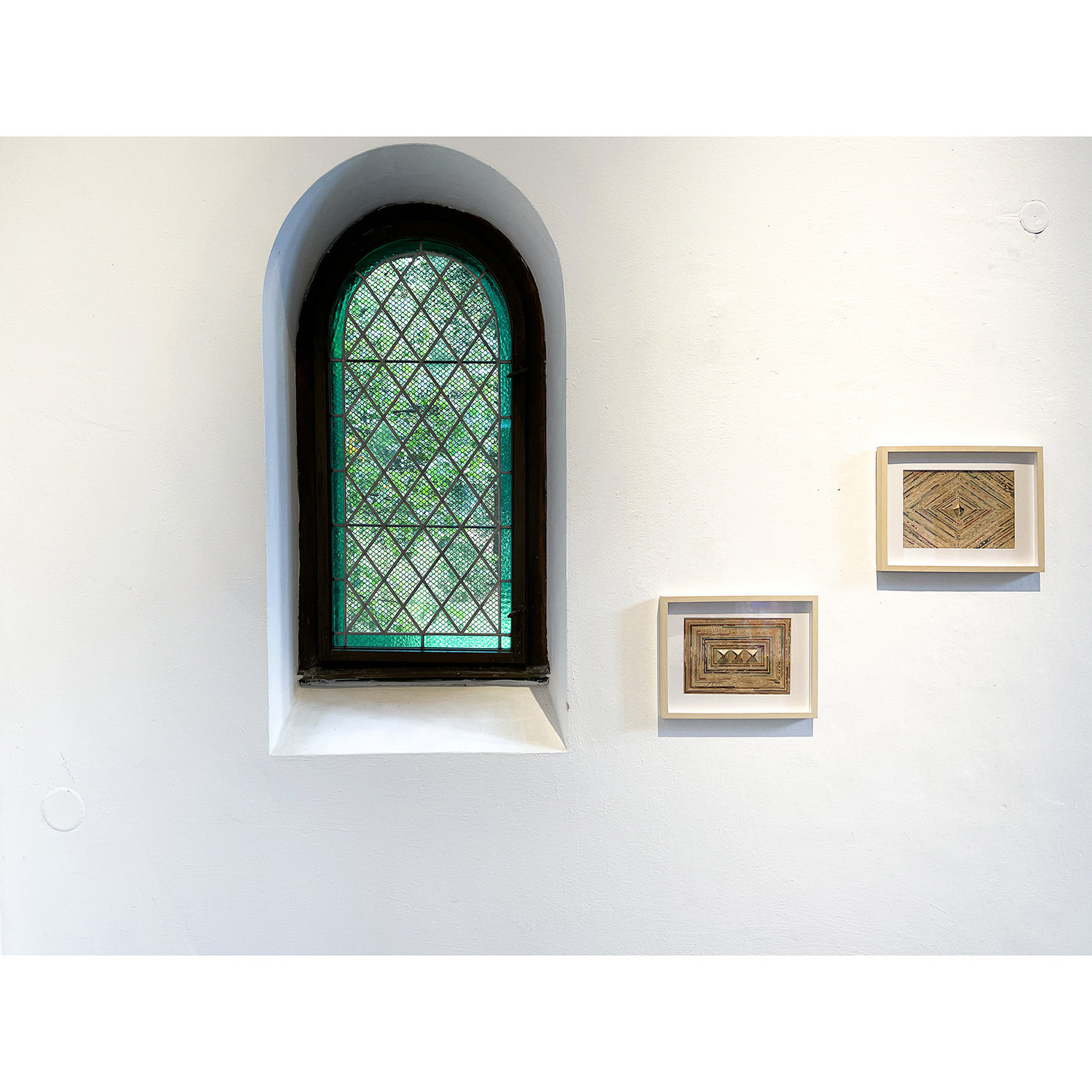
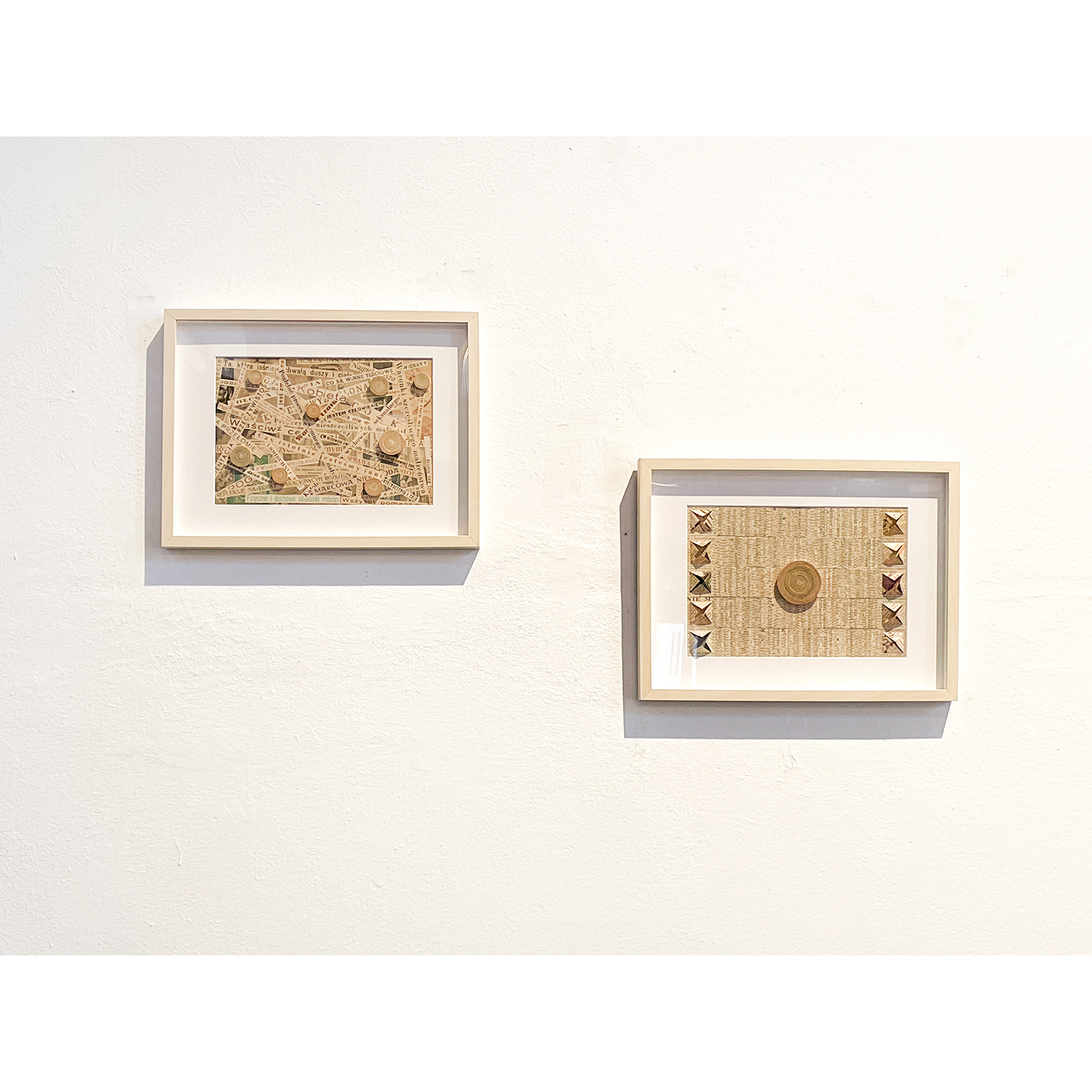
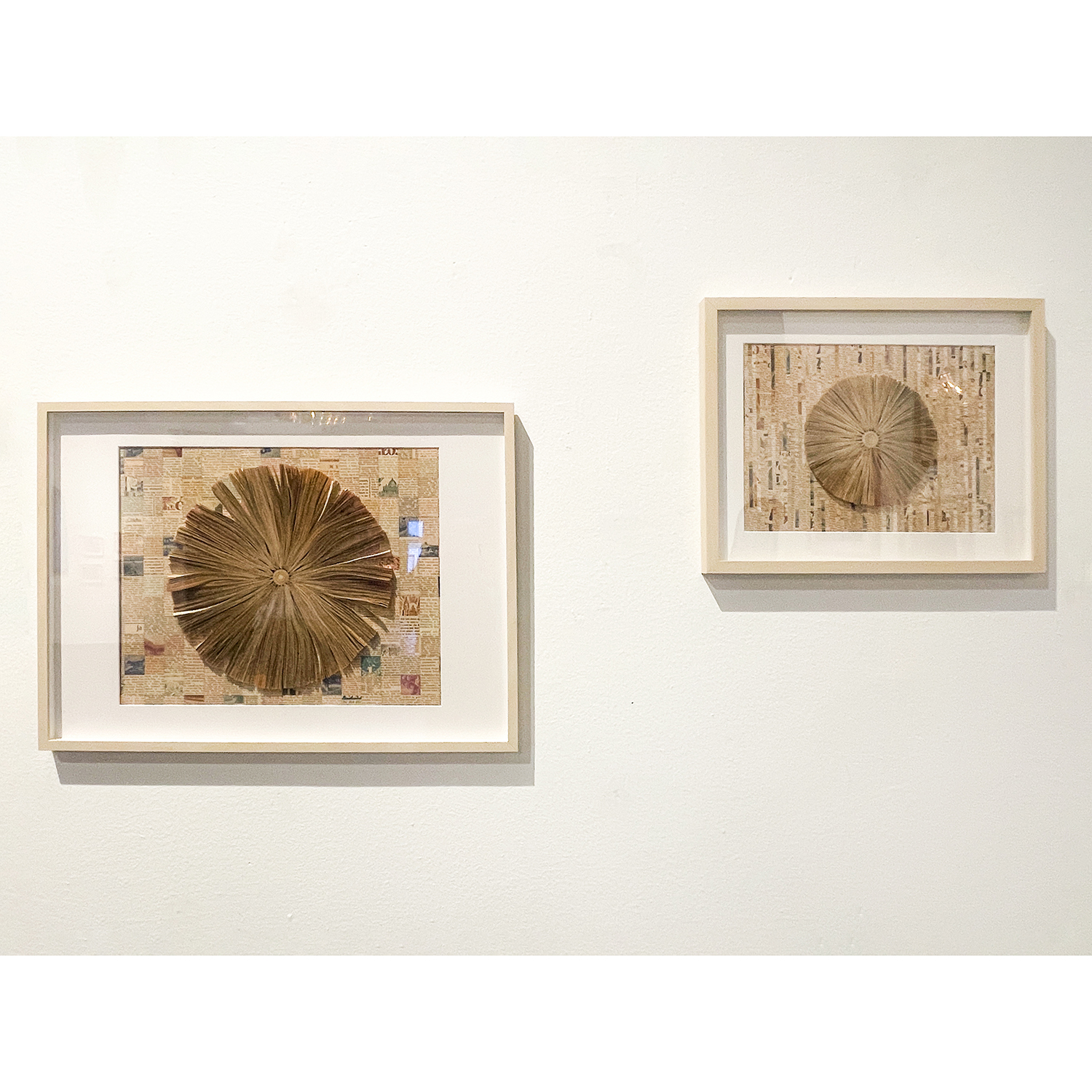
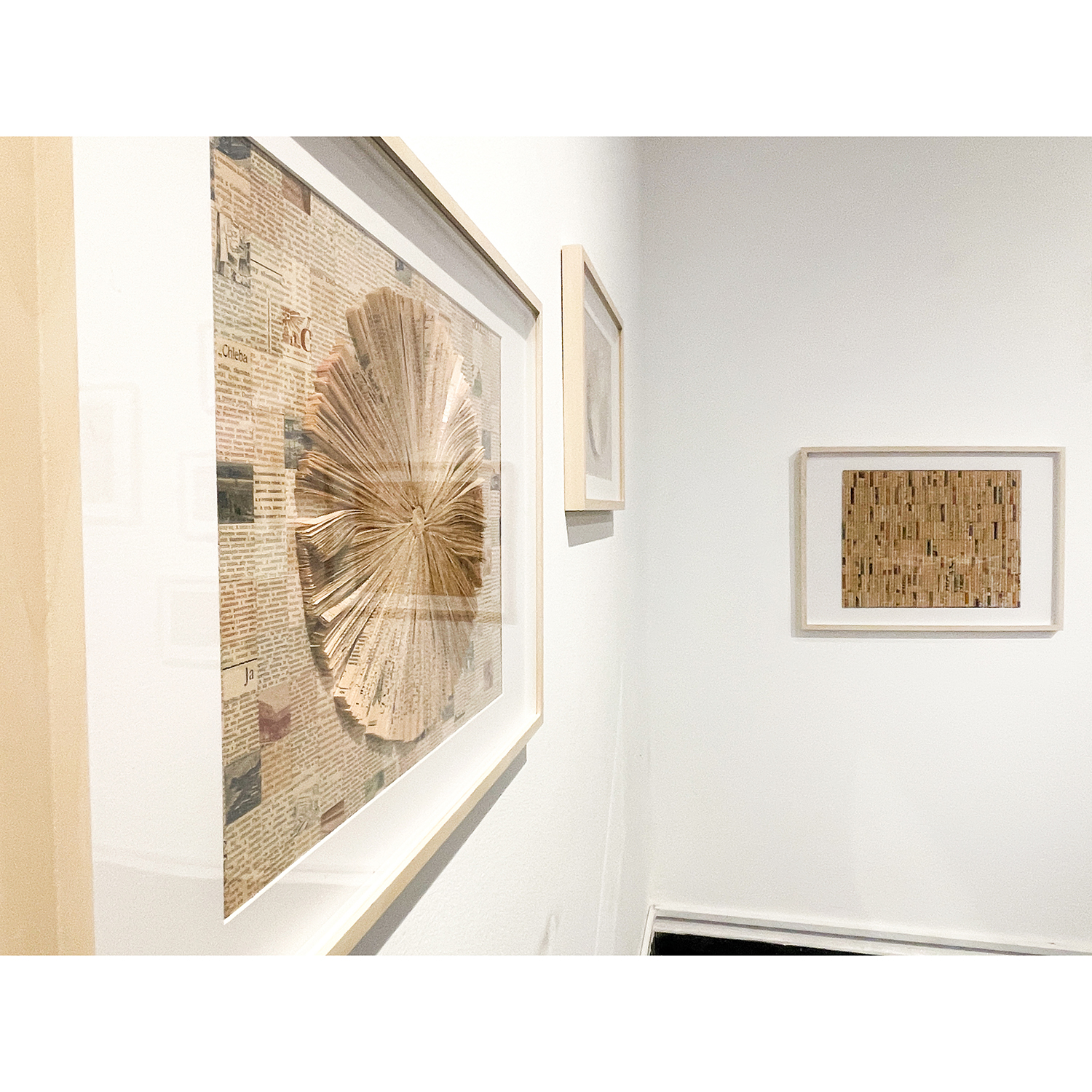
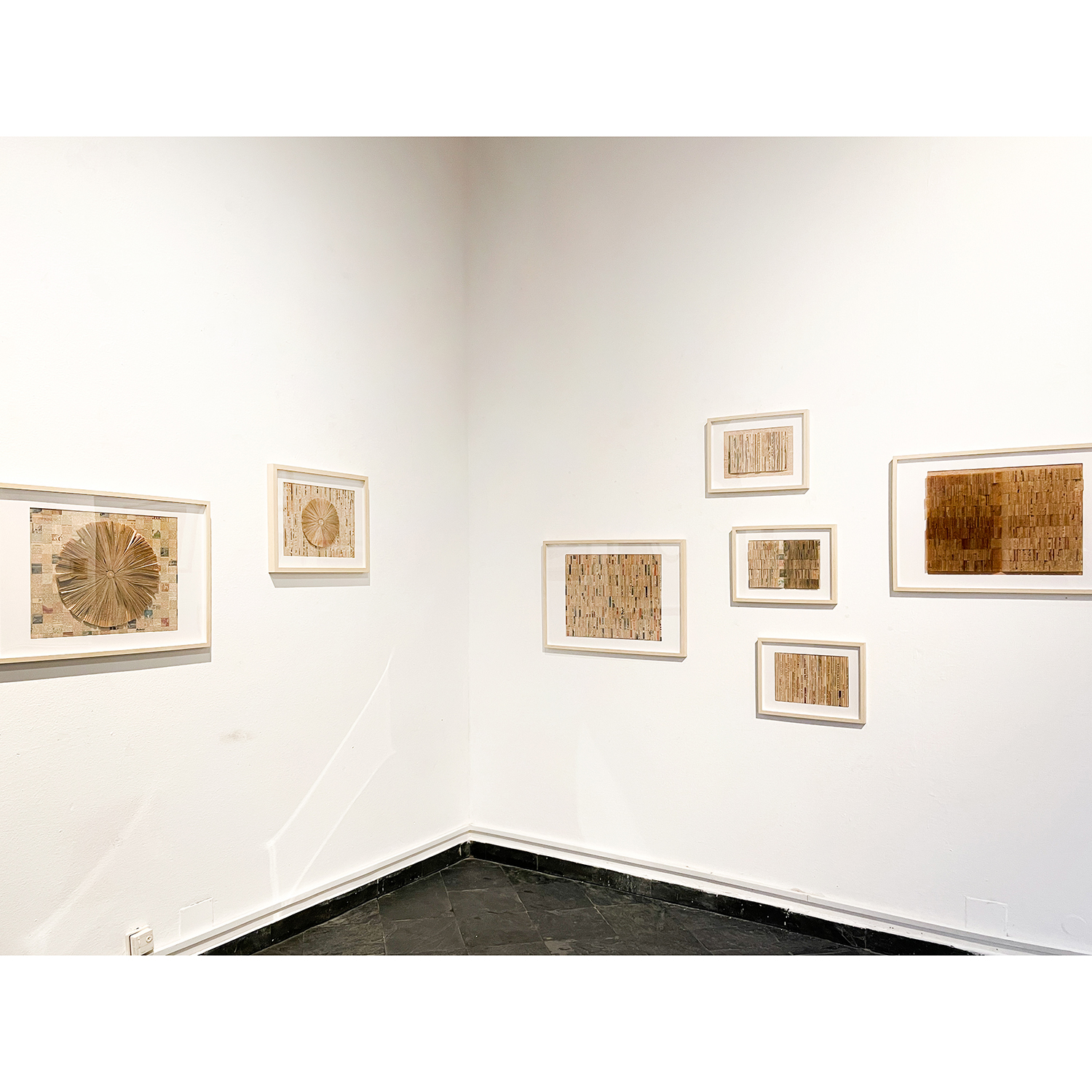
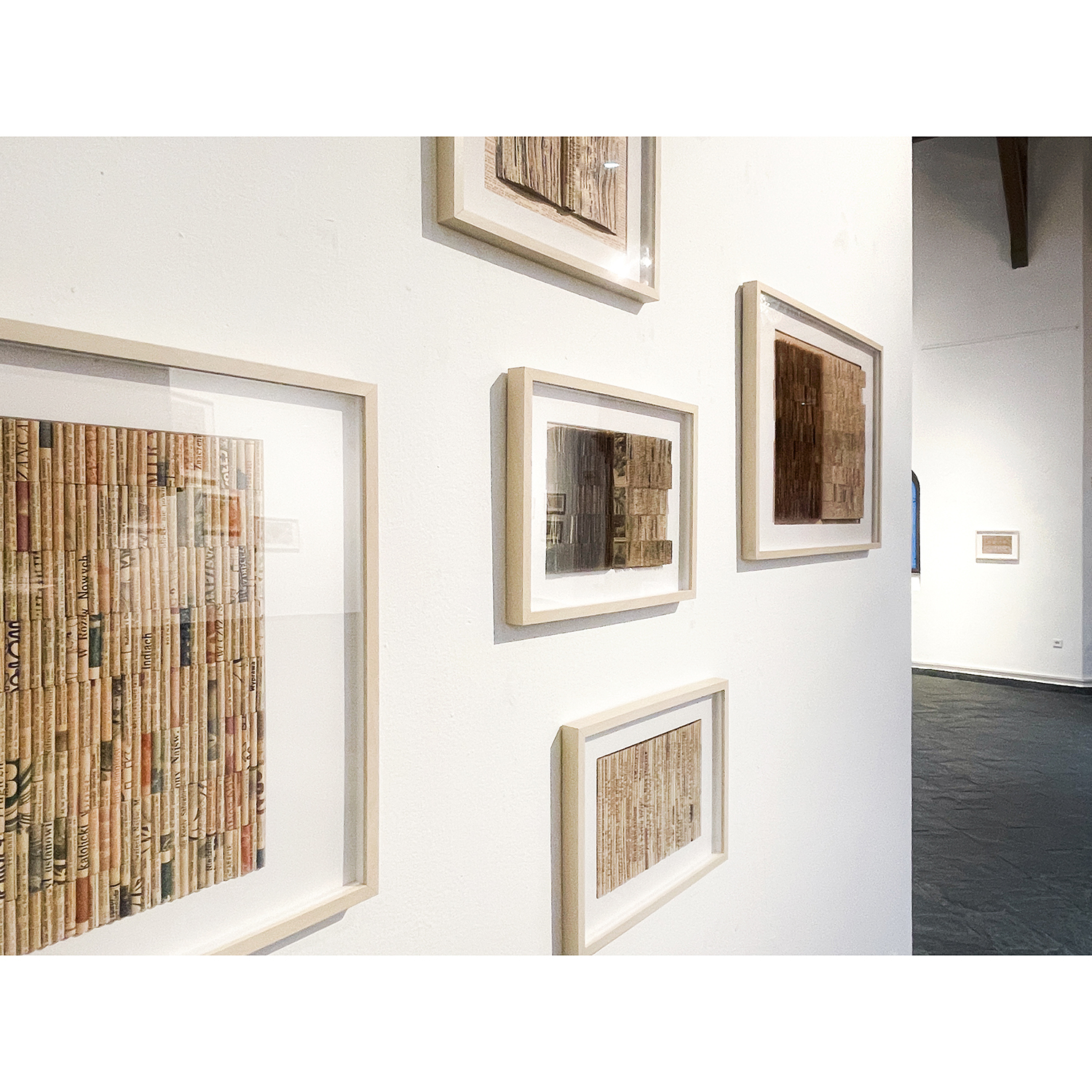
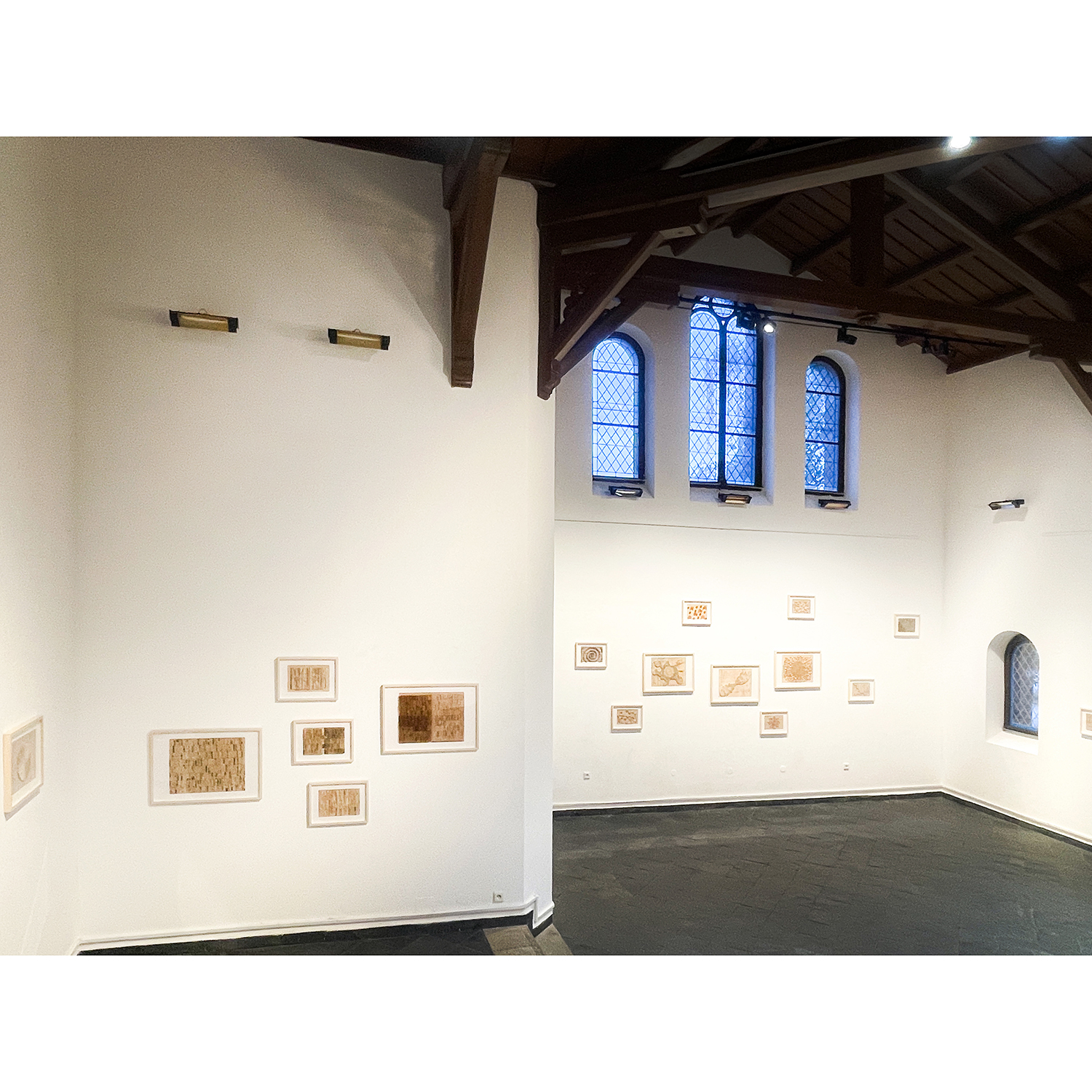
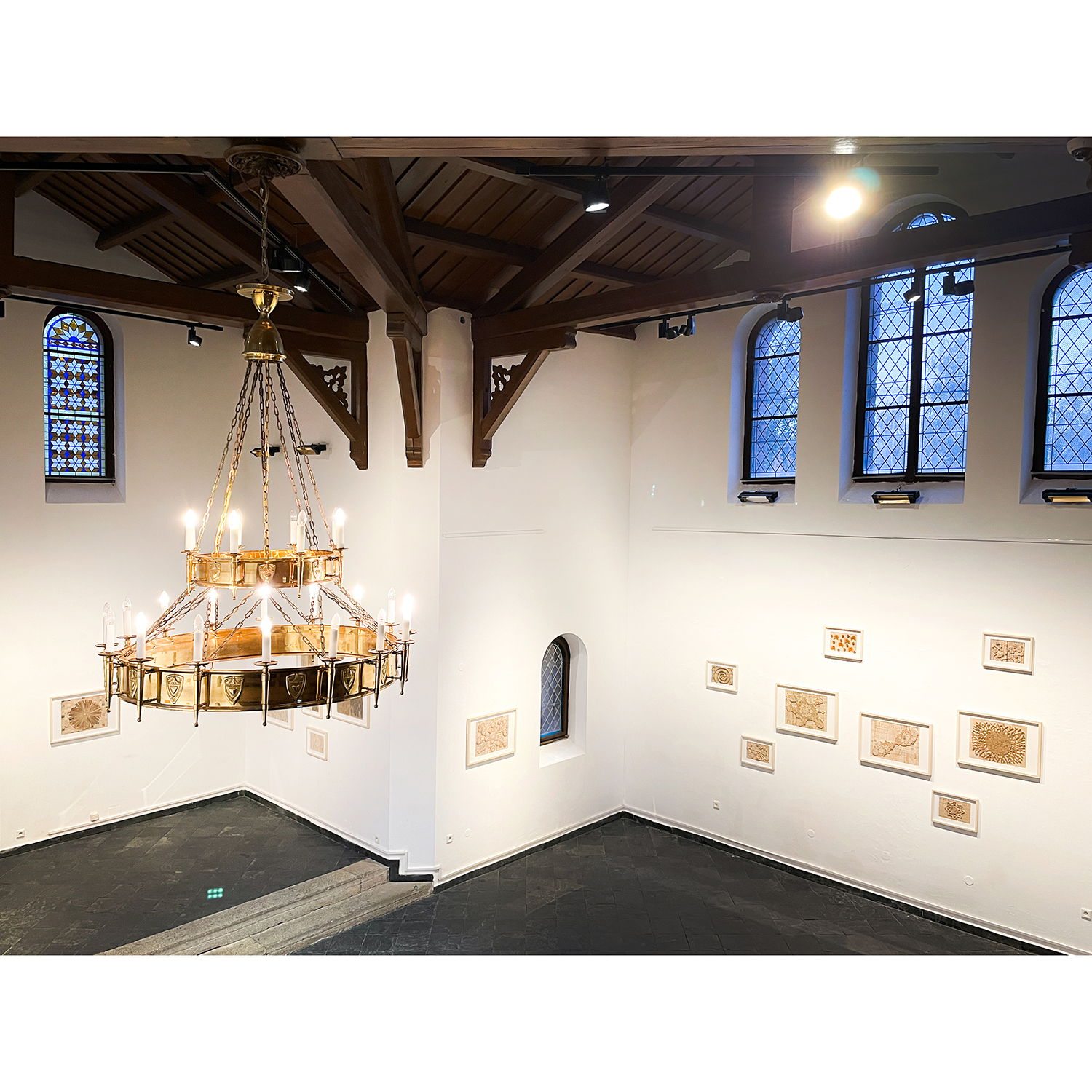
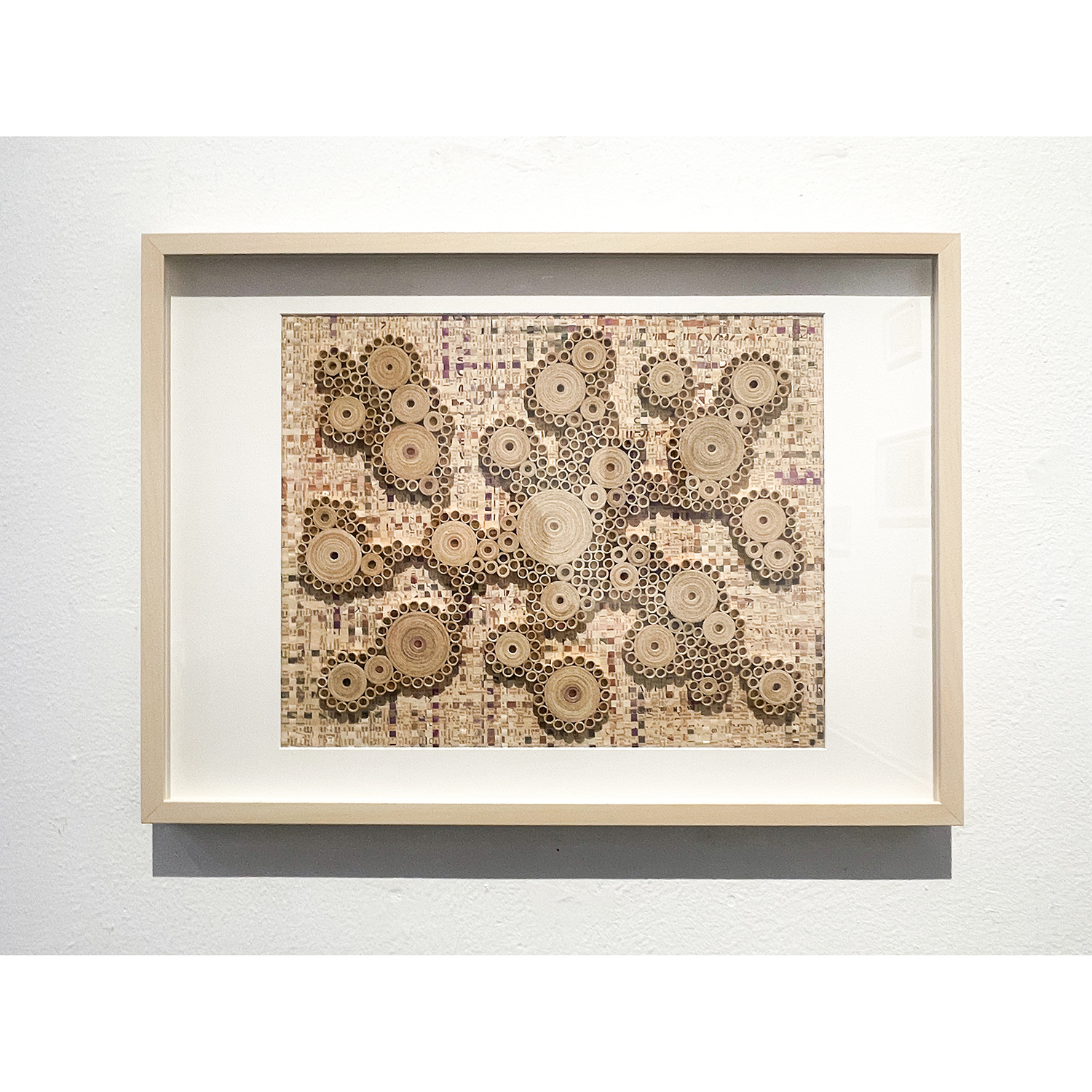
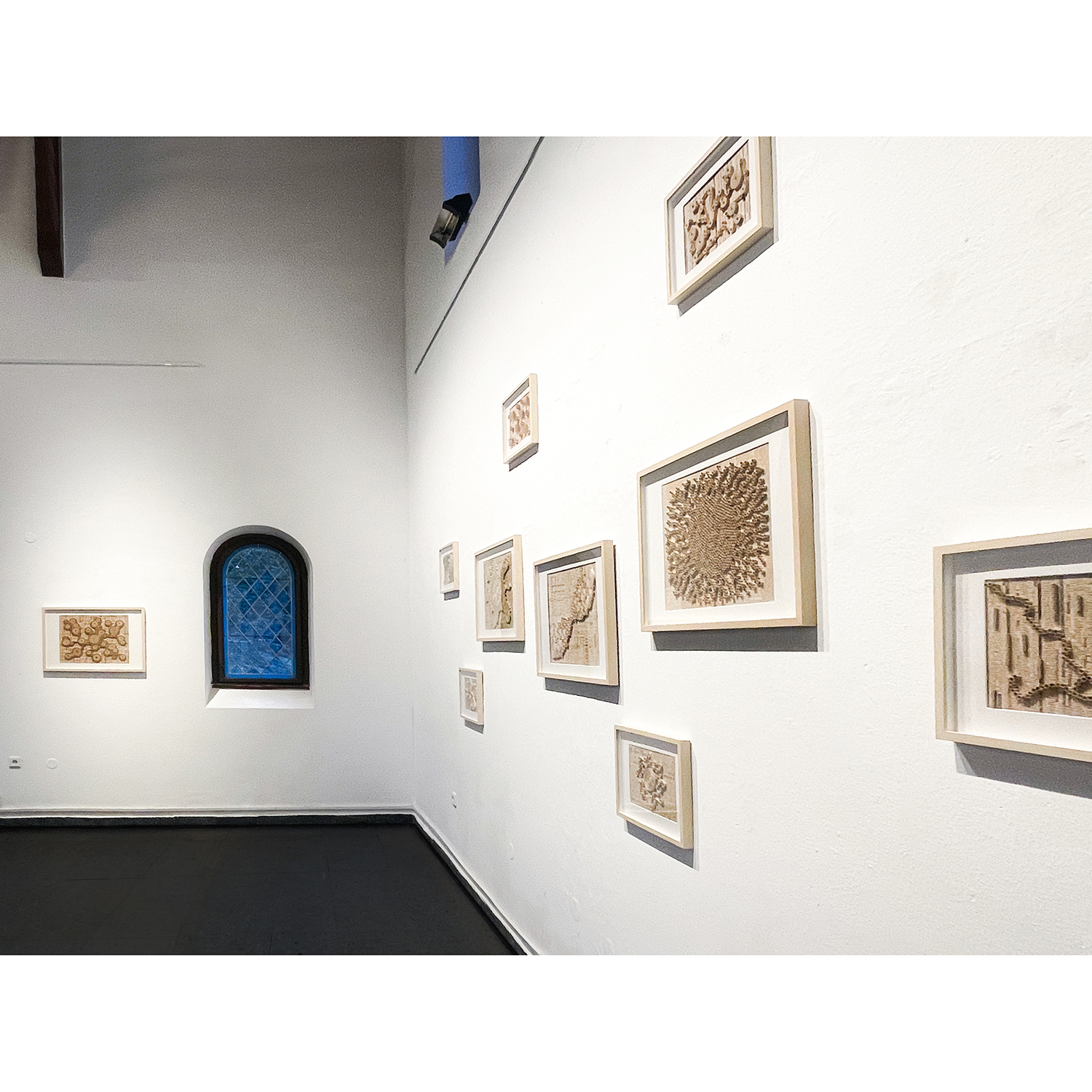
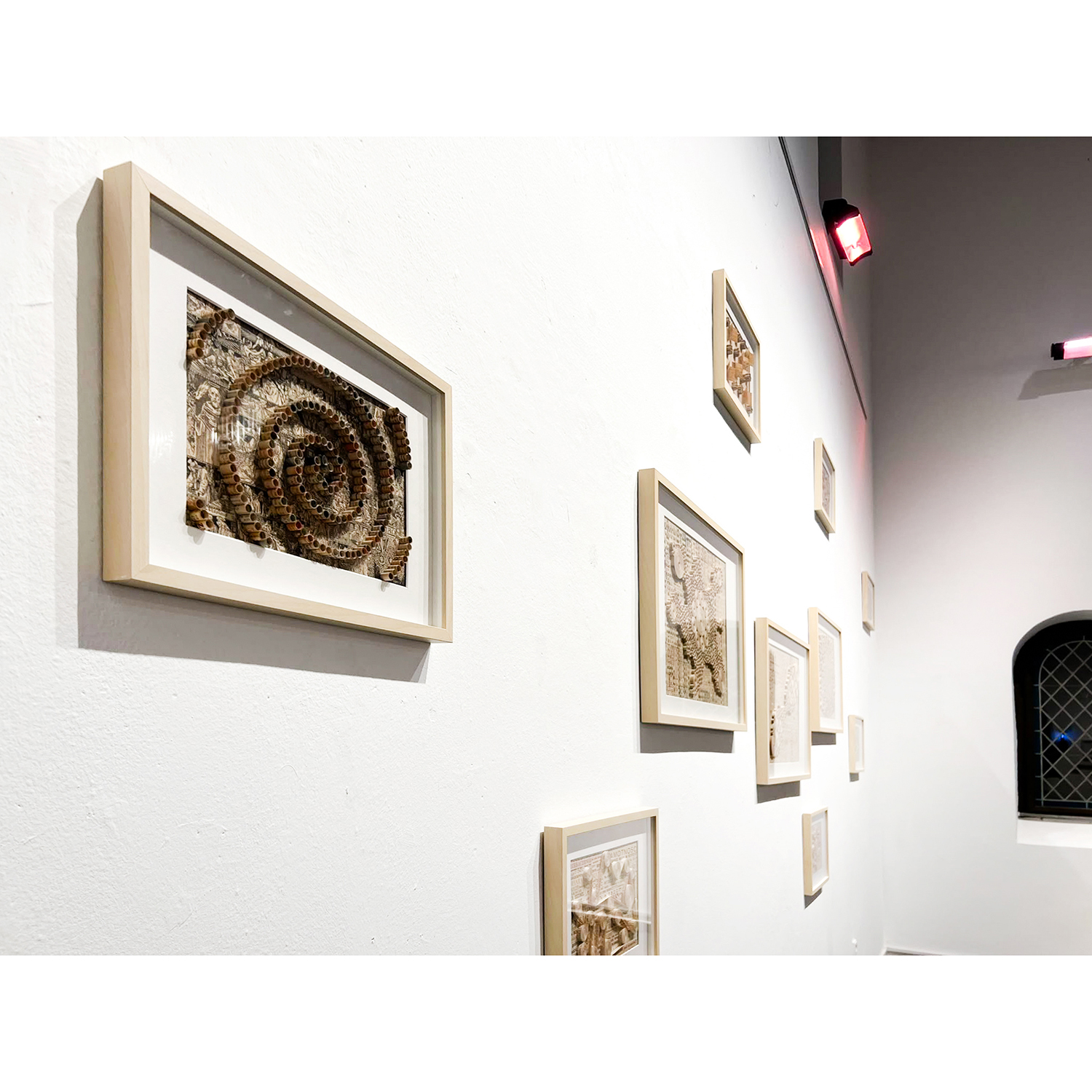
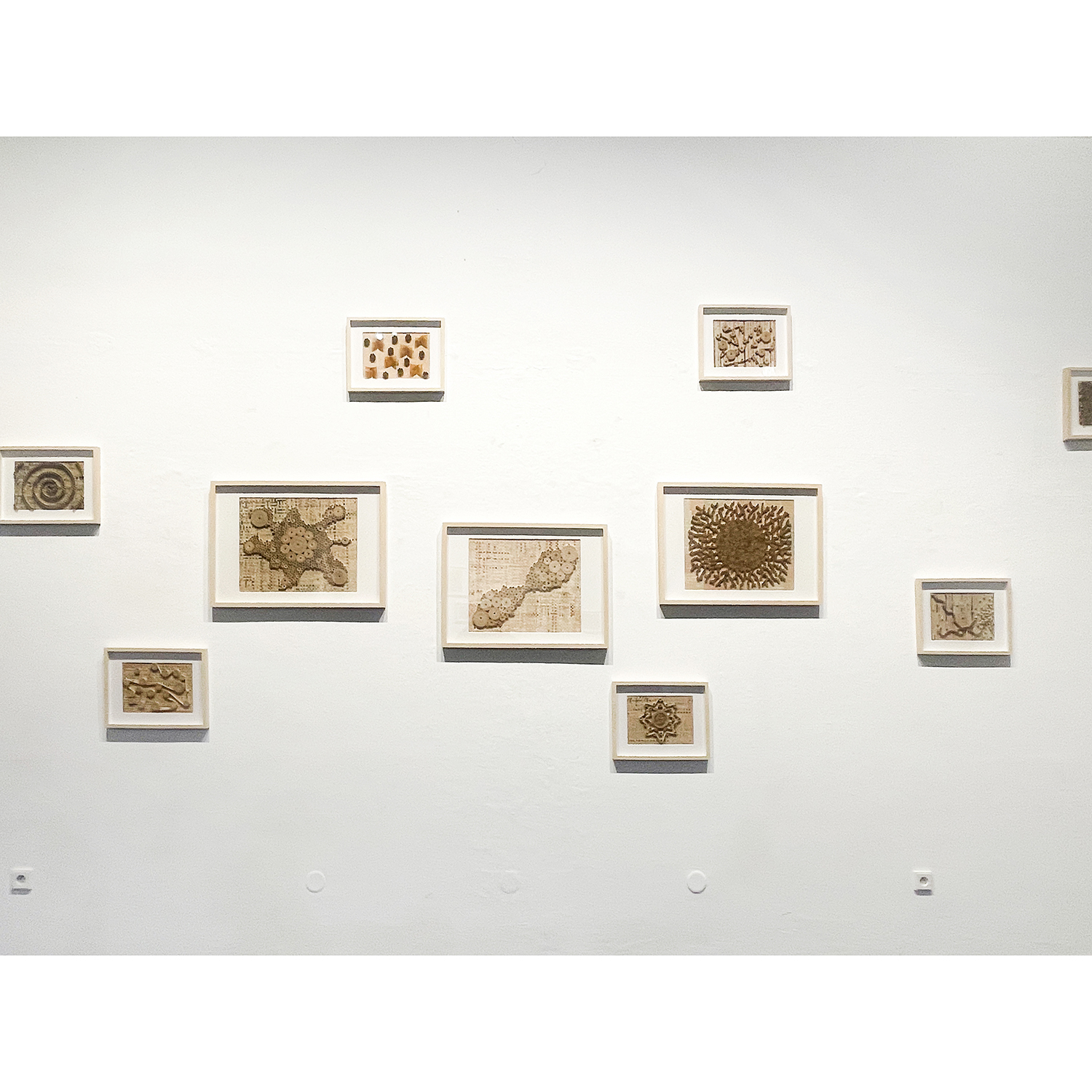
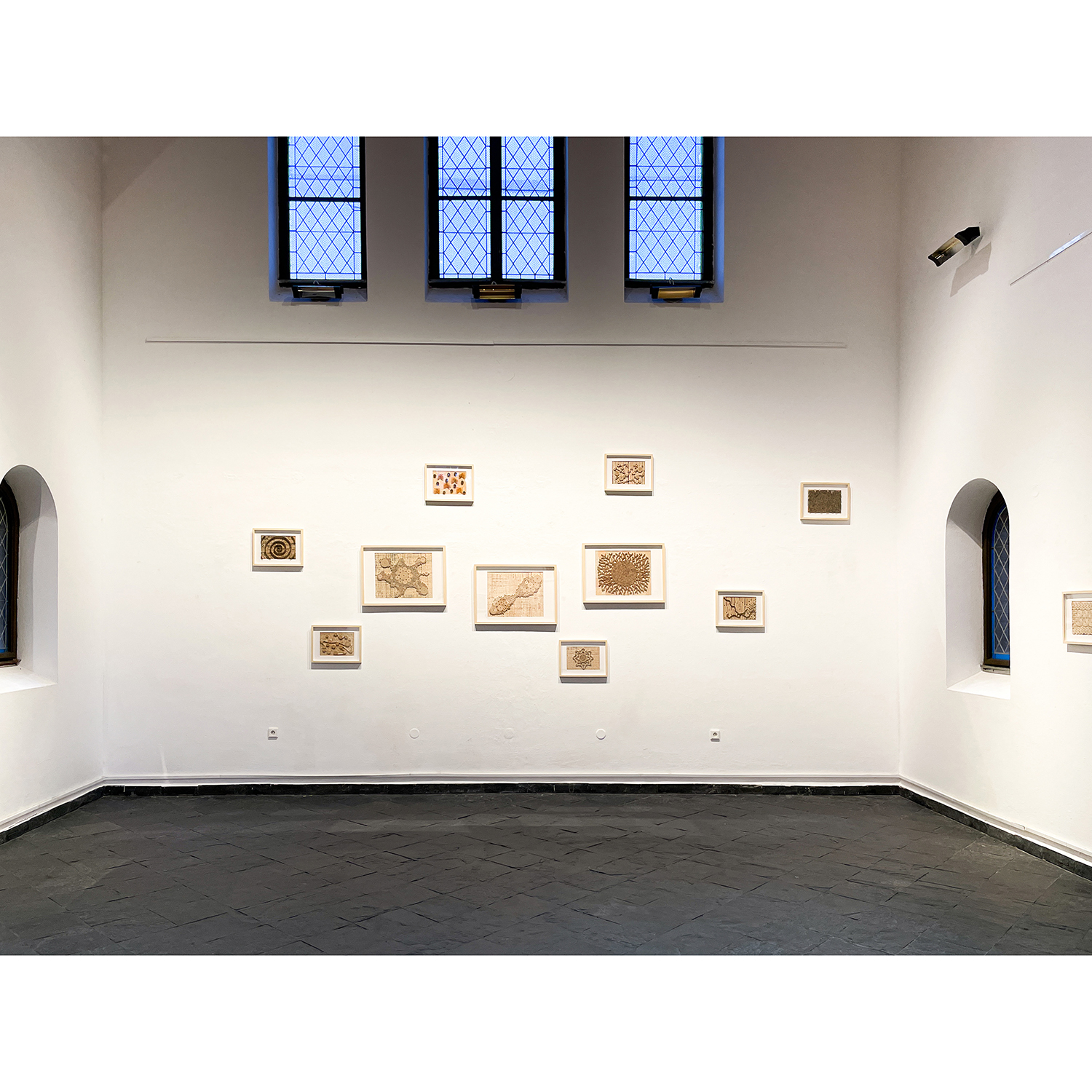
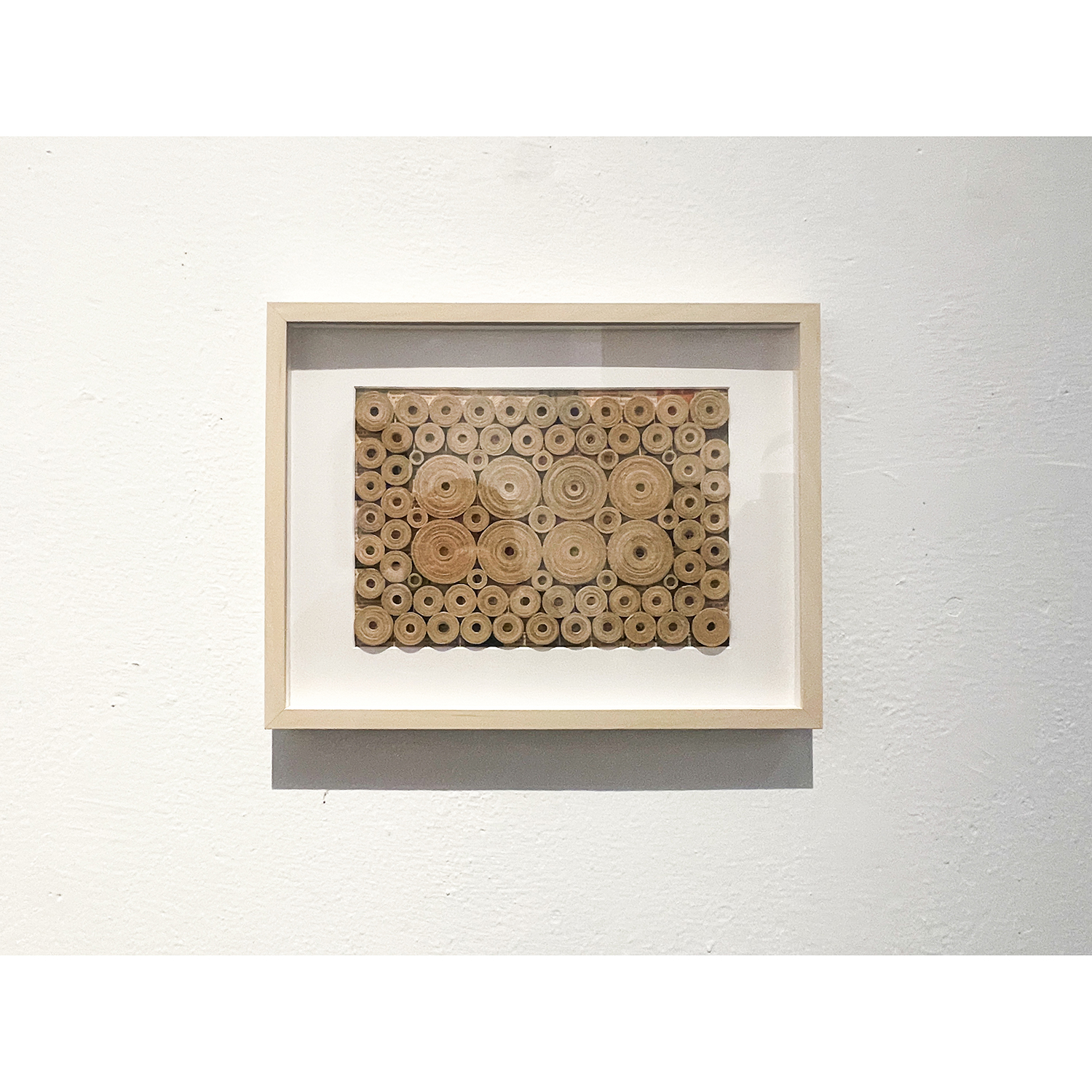
[PL] Joanna Imielska: Wybór prac z cyklu „Naprawa duszy” na wystawę prezentowaną w zabytkowym Czerwonym Kościele w Hlučínie opiera się na wielowarstwowym powiązaniu materii, z której powstały prace z sacrum i historią samego miejsca. Surowe, historyczne mury dawnego kościoła tworzą dla papierowych obiektów naturalną ramę, która wzmacnia ich intymny charakter. Przekształcenie dawnej świątyni w galerię sztuki idealnie rezonuje z ideą „naprawy” – uratowane przed zniszczeniem czasopisma zyskują nowe, artystyczne życie w na nowo zaadaptowanym budynku. W wymiarze materialnym projekt opiera się na idei recyklingu, stary papier, zamiast ulec zniszczeniu lub zapomnieniu, zyskuje nowe życie, artystyczny upcykling transformuje zużyty nośnik w autonomiczną formę wizualną i znaczeniową. Cykl Naprawa duszy to artystyczny dialog pomiędzy materią a duchem. Prace powstały z Głosów Katolickich i Tygodników Katolickich z lat 50. XX w. Wybór tego konkretnego, historycznego papieru niesie ze sobą podwójne znaczenie: fizyczne oraz semantyczne. W wymiarze fizycznym, dzięki wykorzystaniu walorów papieru, na którym czas odcisnął swoje piętno, powstały prace o ciekawej, specyficznej kolorystyce, charakterystycznej dla starego druku oraz bogatej strukturze z nadrukowanymi tekstami, zdjęciami i rysunkami. Jednak najważniejszą ideą i kluczem do pełnego zrozumienia cyklu jest relacja między słowem a treścią. Drukowane przed dekadami teksty, nasycone religijną, społeczną i moralną refleksją, nie zostały całkowicie zatarte. Słowo, choć zdekonstruowane i ułożone w nowe kompozycje, wciąż posiada wielką moc, rezonuje we współczesnej formie. Tytułowa „naprawa duszy” – zarówno w ujęciu jednostkowym, jak i globalnym skłania do przedanalizowania fundamentalnych wartości oraz ponownego odczytania znaczeń. Dáša Lasotová (Vřesina, 21 września 2026 r.): W cyklu Naprawa duszy artystka wykorzystuje egzemplarze czasopism: Głosy Katolickie i Tygodniki Katolickie, odnosi się zarówno do fizycznych właściwości tego tworzywa, jak i do treści niesionych przez prasę. Widzimy tu wiele pomysłowych przekształceń fizycznej materii gazety w formy, których struktura prowadzi nas ku odczytaniu nowych znaczeń – reinterpretacji tekstów powstałych w połowie XX wieku. Możemy czytać o kobiecie, o roli pieśni w jej życiu, o tym, że kobieta też jest człowiekiem; możemy zaglądać przez dziurkę od klucza, obserwować sekrety – te prawdziwe i te zmyślone – dostrzec ogród oraz kontemplować samotność, piekło, prawdę i kłamstwo... Istota przekazu – wywiedziona z tytułów prac – niesie ze sobą pewien niepokój. Skłania do pytań o miejsce kobiety w świecie i o to, jak go ona doświadcza – czy to w przeszłości, czy w teraźniejszości, w dowolnym czasie i miejscu, w kościele czy w rodzinie – a także o stan jej duszy w relacji do świata zewnętrznego i wewnętrznego oraz do własnego serca. Elementy sakralnej atmosfery – oddane tu za pomocą dawnego druku – splatają się z przestrzenią Czerwonego Kościoła. Miejsce to stało się nie tylko przystanią dla ducha, ale także domem dla ducha sztuki i przestrzenią spotkań ze sztuką oraz z drugim człowiekiem – spotkań, które w moim odczuciu niosą w sobie ogromny potencjał uzdrawiania duszy. Postrzegam obecną wystawę prac Joanny Imielskiej jako wspaniałą okazję do właśnie takich spotkań – okazję, której życzę nam wszystkim. Kuratorka: Dáša Lasotová. [EN] Joanna Imielska: The selection of works from the *Repairing the Soul* (*Naprawa duszy*) series for the exhibition at the historic Red Church in Hlučín is grounded in a multi-layered connection between the materials used to create the pieces and the sacred nature and history of the site itself. The raw, historic walls of the former church provide a natural frame for the paper objects, enhancing their intimate character. The transformation of the former sanctuary into an art gallery resonates perfectly with the concept of „repair" - magazines saved from destruction gain a new artistic life within the repurposed building. In material terms, the project is based on the idea of recycling; rather than succumbing to destruction or oblivion, old paper gains a new life, as artistic upcycling transforms a used medium into an autonomous form possessing both visual and semantic significance. The *Repairing the Soul* series represents an artistic dialogue between matter and spirit. The works were created using issues of *Głos Katolicki* and *Tygodnik Katolicki* from the 1950s. The choice of this specific historical paper carries a dual significance: physical and semantic. Physically, by leveraging the qualities of paper marked by the passage of time, the artist has created works with a distinctive color palette - characteristic of vintage print - and a rich texture featuring overlaid texts, photographs, and drawings. However, the central idea and the key to fully understanding the series lies in the relationship between the word and the content. Texts printed decades ago - imbued with religious, social, and moral reflection - have not been entirely erased. The written word, though deconstructed and rearranged into new compositions, retains great power, resonating within a contemporary form. The titular "repair of the soul” - considered from both individual and global perspectives - invites a re-examination of fundamental values and a reinterpretation of meanings. Dáša Lasotová (Vřesina, September 21, 2026): In the *Repair of the Soul* series, the artist utilizes copies of periodicals such as *Głosy Katolickie* (Catholic Voices) and *Tygodniki Katolickie* (Catholic Weeklies), engaging with both the physical properties of the material and the content conveyed by the press. We witness numerous inventive transformations of the newspaper’s physical substance into forms whose structures guide us toward new meanings - reinterpreting texts originally created in the mid-20th century. We can read about a woman, the role of song in her life, and the fact that a woman, too, is a human being; we can peer through a keyhole, observe secrets - both real and imagined - glimpse a garden, and contemplate solitude, hell, truth, and lies...The essence of the message - derived from the titles of the works - carries an undercurrent of unease. It prompts questions regarding a woman’s place in the world and her experience of it - whether in the past or present, at any time or place, within the church or the family - as well as the state of her soul in relation to the external world, her inner self, and her own heart. Elements of a sacred atmosphere - rendered here through the medium of vintage print - intertwine with the space of the Red Church. This place has become not only a sanctuary for the spirit but also a home for the spirit of art, and a space for encounters with art and with other people - encounters that, to my mind, hold immense potential for healing the soul. I view the current exhibition of Joanna Imielska’s work as a wonderful opportunity for precisely such encounters - an opportunity I wish for us all. Curator: Dáša Lasotová. / FOT. JOANNA IMIELSKA
Szczegóły
SeriaUkryte słowa - Hidden Words - Galeria Czerwony Kościół - Hlučín - Czechy - Czech Republic
KategoriaWystawy
Lata2026